Table of Contents
Chautauqua County Courts, NY *

Chautauqua County is one of the 62 counties in New York, covering 1,500 square miles, with a population of around 120,000. Like the other counties in New York, Chautauqua has a rather complex court structure that handles cases and reviews them in the appellate courts. Locals, businesspeople, companies, and various institutions turn to these courts to resolve their simple or major cases. All parties interacting with these courts in any capacity can file cases, find amicable solutions, appeal judgments, and obtain official records from the multiple courts operating at both the local and state levels.
Overview of the Chautauqua County Court System
The official New York State Unified Court is the main judicial branch of government, responsible for all state and local courts. Actual cases in the county begin in the Supreme Court, the highest trial court serving the people of Chautauqua, which handles civil cases exceeding the monetary limits of the other local courts. The County Court follows, with 57 courts outside New York City that hear major criminal cases. There are also local specialized courts operating in Chautauqua County. There is the Family Court, which handles family-related matters, and the Surrogate's Court, which handles adoptions and guardianships. Lastly, local courts are more accessible to communities in Chautauqua. These are the City Courts in Jamestown and Dunkirk, and finally the Town and Village Courts, which are even closer to the people and solve everyday, simple matters.
Types of Courts in Chautauqua County, New York
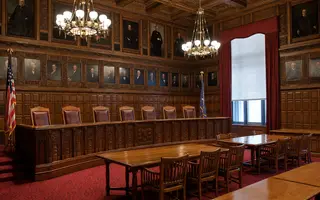
Chautauqua Courts are in the 8th Judicial District, which also incorporates Niagara, Allegany, Erie, Wyoming, Genesee, Orleans, and Cattaraugus Counties. It is not a separate court in the county, and its main function is to oversee these trial courts at the local levels.
 Supreme Court
There is one Supreme Court in each county that is not within New York City. The Chautauqua County Supreme Court is the highest trial court at the local level and handles the following matters.
- Civil cases
- Felonies
- Matrimony matters (divorces and annulments)
As the county's highest trial court, the Supreme Court usually hears cases outside the jurisdiction of other lower-level courts. It handles civil cases involving higher amounts and is known as the exclusive chamber with jurisdiction over matrimony cases. Parties seeking divorces and annulments turn to this court for fair judgment.
Primary Location: Chautauqua County Courthouse
 County Court
There is a County Court in each county of New York State, except in the five counties of New York City. The Chautauqua County Court functions as one of the superior courts in the county, and its jurisdiction includes cases like:
- Criminal cases
- Civil claims (of less than $25,000)
- Appeals coming from lower courts
Along with three other courts, the County Court of Chautauqua is a superior court that handles major cases from across the region. There are also instances where misdemeanor cases are tried in these courts, like in other lower levels, but the difference is that only the County Courts can hear felony cases.
Primary Location: Chautauqua County Courthouse
 Family Court
The Chautauqua Family Court has original jurisdiction, allowing it to handle all family-related issues in the county, including:
- Adoptions
- Foster care
- Family violence
- Child abuse
- Child support
- Child custody
- Guardianships
The Family Court's original jurisdiction makes it the best court to handle all family and children issues. It safeguards the rights of children in the county and provides effective resolution of matters such as child custody and child support payments. The only limitation in the family court is that it doesn't grant divorces. Only the Supreme Court has jurisdiction.
Primary Location: Chautauqua Municipal Building
 Surrogate's Court
The Surrogate's Court in Chautauqua County usually handles cases involving issues caused after a party is deceased, including the following:
- Wills
- Probate
- Guardianships
- Estates
The Surrogate's Court maintains original jurisdiction over probate matters and other related cases, particularly after a party is deceased. It handles disputes surrounding wills, solving estate distributions, and inheritance. There are also cases where the court steps in to solve adoption matters.
Primary Location: Gerace Office Building, 2nd Floor
 City Courts
There are two City Courts in Chautauqua County. The Dunkirk City Court and the Jamestown City Court, which operate at the local level, solve the following cases:
- Civil claims (less than $15,000)
- Small claims (less than $5,000)
- Misdemeanors
- Felonies
- Landlord-tenant disputes
These two courts are known for handling smaller cases within the city limits. There may be overlap in jurisdiction between civil cases and felonies, but the main difference is that the cases tried here are smaller in magnitude, and the legal and financial consequences for the accused are not as high as they would otherwise face at the Supreme and County Courts.
Primary Location: Dunkirk and Jamestown Municipal Buildings
 Town & Village Justice Courts
The last and most accessible local courts in Chautauqua County are the Town and Village Courts. They are generally regarded as the neighborhood courts, known to solve the following cases:
- Civil cases (less than $3,000)
- Small claims
- Traffic violations
- Misdemeanors
There are over 30 Town and Village Courts in Chautauqua County. These are justice courts that are presided over by elected members who are not required to be legal professionals with Juris Doctor degrees. They are the entry point of the county's courts where locals take their minor disputes that need faster resolution. Cases like traffic tickets, small claims, and misdemeanors are first handled in these courts.
How to Access Chautauqua County Court Records
The County Clerk of Chautauqua County is the clerk of the Supreme Court and the County Courts, and the office offers access to web-based county records, particularly court filings from 1997 to the present. The system has records of judgments, liens, civil courts, and more, allowing parties to access the records they need.
 Online Access
As the custodian of Supreme and County Court records, the Clerk of Chautauqua County hosts an online search portal that allows parties to access records dating back to 1997. The online records search tool helps retrieve court details from various chambers, and inquirers must enter the specific details of the case for faster access. The clerk provides the information in the database as a reference, and if anyone needs copies of filings or recordings, they will be charged a small fee of $1.00 per page, whether the records are certified or not.
 Alternative Online Options
In addition to the state-provided portal, residents of Chautauqua County can use other online tools. Sites like CourtCaseFinder offer convenience by compiling records not only from New York counties but also from other states and their counties. It works best for people who need broader online access to multiple court records across the country. Instead of checking individual sites, they can access all records from a single database, making searches faster, simpler, and more convenient.
 In-Person Requests
Online access provides convenience for inquirers, but records can also be found in person at the County Clerk's office. All records are collected, organized, and stored in the office, so any interested parties can locate the files they need by visiting the office and receiving assistance from staff. This is an option when the records are not yet digitized and therefore not available in online databases. Inquirers will still be expected to pay a small fee for any copies, even those that are not certified.
 Archived Records
The Clerk's office keeps records of court records from 1997, but parties may be interested in older ones that are not in the clerk's custody. They will likely find older archived records at the Historical Society of the New York Courts. This library contains records of the Supreme, County, and Surrogate's Courts that are not available as digital files or online, making it ideal for historical and genealogical research. Inquirers should also know that the records are available upon request and that relevant fees apply based on the records requested. Accessing the records may also take longer, so parties should be aware before making official requests.
For Attorneys and Legal Professionals
Attorneys work on various cases throughout New York, and one aspect that stands out is that the region's court system is highly detailed. There are appellate courts and local trial courts, each with its own jurisdiction. There are also instances where different courts handle the same case, but not of the same magnitude. Legal professionals must know the difference, especially when they seek court records or want to help clients file cases.
At the same time, attorneys are expected to conduct themselves properly when interacting with New York state and local courts. At the local level, all attorneys and legal professionals are asked to adhere to the rules of The Practice of Law in New York State, which guide their conduct and expectations, especially for newly admitted attorneys. When they follow the rules, their cases proceed without issues, and they can fully represent their clients.
How to File a Case in Chautauqua County
Both professionals and self-represented parties can file their cases with the various courts in Chautauqua County by following the steps below.
Step 1: Choose the Correct Court
There are six different courts operating in Chautauqua County, each with its own set of procedures and jurisdiction. For anyone filing a case at the local level, the first step is to determine the type of case, then decide where it belongs. The filing should be done in the court mandated to hear the case; otherwise, there will only be delays, and the filers will have to repeat the process. The goal is to present the case to the appropriate chambers that hear such cases, so the parties can be confident in a faster, better resolution.
 Step 2: Complete Required Forms
Anyone filing a case with the courts must first obtain the relevant forms, which provide details of the case and give the courts the information they need to begin the hearings. There are online forms that parties can access conveniently, or they can obtain them from the County Clerk's office. The site also offers several other case-related forms that parties can download and complete. They must check that all the blanks are filled and the details provided are accurate. If they hurry through it and fail to counter-check, they will have to go through the entire process again.
 Step 3: File the Case
New York also has a convenient online tool for parties to file cases. It is a system that every filer is expected to use, whether they are professionals or self-representing. Through the New York State Courts Electronic Filing (NYSCEF) system, both professionals and self-represented parties can file their cases electronically not only in county courts but also in the Appellate Courts and other statewide courts. All the details of cases filed across the state are available in this system, making it easier to access. Filers can enter their case details from anywhere in New York, saving time.
 Step 4: Pay Filing Fees
There are fees payable by parties filing cases in the county courts. The amount charged will be based on the current filing fee schedule, which usually depends on the type of case and its magnitude. Usually, the more serious the case, the higher the filing fees, which explains why some parties cannot afford the full fees. If the parties filing are unable to pay court fees, they can submit an Application to Waive Court Costs, Fees, and Expenses to the state through the County Clerk.
 Step 5: Serve the Other Party
Parties filing cases must also serve the opposing side, notifying them that a case has been filed against them. It gives them a heads-up so they can also take the necessary steps to present their case. This process is mandatory and must be done through the sheriff's office or by a licensed process server. Parties must file an Affidavit of Service with the County Clerk, notifying the court that service is complete. This will provide details of who was served, when they were served, and how it happened, and only then can the case proceed.
 Step 6: Monitor the Case
Once the filing is complete, the last step is to monitor its progress. There is so much that happens behind the scenes after a case has been filed, and filers must stay up to date to make sure nothing catches them by surprise. Attorneys and other parties can do that through the E-Track System, an extensive online case-tracking system designed for the unified courts of New York across all states. Parties can use this platform to view case progress across all counties in the state and all local courts within those counties.
Chautauqua County Courthouse Directory
The following are details for parties who may wish to contact the various Chautauqua County Courts.
The Supreme Court of Chautauqua County
Functioning at the highest level of the county's trial courts, this court usually handles civil and matrimonial matters.
Mayville
Address: 3 North Erie Street, Mayville, NY 14757
Phone: (716) 753-4266
Website: Chautauqua County Supreme Court
Chautauqua County Court
This court handles criminal cases and civil claims, as well as appeals from lower courts.
Mayville
Address: 3 North Erie Street, Mayville, NY 14757
Phone: (716) 753-4266
Website: Chautauqua County Court
Chautauqua County Family Court
This court handles various family-related cases, including adoptions, foster care, juvenile delinquency, and child protection.
Mayville
Address: 2 Academy Street, Suite 5, Mayville, NY 14757
Phone: (716) 753-4351
Website: Chautauqua County Family Court
Chautauqua Surrogate's Court
The court handles disputes involving probate, wills, and estates after the parties have died. It also handles adoptions in some cases.
Mayville
Address: 3 North Erie Street, Gerace Office Building, 2nd Floor, Mayville, NY 14757
Phone: (716) 753-4339
Website: Chautauqua County Surrogate's Court
Dunkirk City Court
A local court operating in Dunkirk City, handling minor cases within the city's limits.
Dunkirk
Address: 342 Central Avenue, Dunkirk, NY 14048
Phone: (716) 845-2505
Website: Dunkirk City Court
Jamestown City Court
Another local court operating at the local level, solving minor cases within Jamestown City limits.
Jamestown
Address: 200 East 3rd Street, Jamestown, NY 14701
Phone: (716) 483-7561
Website: Jamestown City Court
Town Courts and Village Courts
The most accessible courts for locals. They are neighborhood courts tasked with resolving minor disputes that don't necessarily need lengthy court processes.
There are more than 30 local courts in Chautauqua County, New York. Here is a directory for all Chautauqua Town and Village Courts.
Legal Help and Self-Help Resources
There are disadvantaged communities living in Chautauqua County who need legal help but cannot afford representation or don't know where to start when filing their cases. There are several organizations working in New York and at the local level to provide free or affordable legal help to deserving residents.
 Free Legal Assistance
Law Help NY is a statewide organization that helps New Yorkers access free legal assistance through various registered programs. It comes in handy for communities that cannot afford legal representation. It helps level the playing field so they can access the services they need and have a better chance of justice, regardless of their backgrounds. Another site is the City Bar Justice Center, which steps in for communities, ensuring they receive legal assistance through various programs. It assists self-representing parties in understanding and protecting their legal rights, especially those from low-income backgrounds. They are given the tools they need to fight for their rights, even when they are self-representing.
Local Legal Support
There are organizations that reach out to marginalized communities in New York, offering free legal services to those who cannot afford legal representation. New York Legal Assistance Group (NYLAG) assists immigrants, veterans, and children living with disabilities in finding justice. These are disadvantaged communities that lack access to legal representation and don't know where to start when a case is brought against them. Family Legal Care is another organization that steps in, offering legal support in family law matters and making New York's Family Courts more accessible to local communities. Parents and their children can access professional services, so minors can grow up in safe, suitable homes.
FAQs
Where can I monitor my case after filing in Chautauqua County?
After filing the case, the parties can also track its progress. This can be done conveniently through the online E-Track system, which attorneys and individuals can access. They can monitor key dates for the case and any adjustments, so they can always stay prepared.
Where can I find court records in Chautauqua County?
Court records in Chautauqua County are conveniently accessible through online sources. Parties can access them from the state-wide portal or using third-party sources. In case of any issues, they can also find them in person at the county clerk's office, or, for archived records, at the New York State Archives.
Can I receive certified copies of documents in Chautauqua County
All official and court records in Chautauqua County can be accessed by members of the public. Parties can view and download the records they need at a fee. If they want certified copies, they can also retrieve them. Whether the records are certified or not, it will cost them about $1.00 per page, with a minimum payment of $4.00.
Which records can be found at the clerk's office if I need help researching my genealogy?
The county clerk's office compiles, organizes, and stores many records for researchers to use. They can find details of marriage records, naturalization records, mortgages, tax assessments, court records, and so many other important records for reference and research. If the records needed are archived, they can be obtained from the New York archive library.
When should I consider third-party record searches?
Online court record searches are very convenient because they allow access to important information in real time, regardless of the location. Using third-party searches gives one this advantage, and users also have a larger database to work with. For instance, CourtCaseFinder compiles records not just for Chautauqua County but also for other counties in New York and in other states across the country.
Other Counties in New York
- Albany
- Allegany
- Bronx
- Broome
- Cattaraugus
- Cayuga
- Chemung
- Chenango
- Clinton
- Columbia
- Cortland
- Delaware
- Dutchess
- Erie
- Essex
- Franklin
- Fulton
- Genesee
- Greene
- Hamilton
- Herkimer
- Jefferson
- Kings
- Lewis
- Livingston
- Madison
- Monroe
- Montgomery
- Nassau
- New York
- Niagara
- Oneida
- Onondaga
- Ontario
- Orange
- Orleans
- Oswego
- Otsego
- Putnam
- Queens
- Rensselaer
- Richmond
- Rockland
- Saint Lawrence
- Saratoga
- Schenectady
- Schoharie
- Schuyler
- Seneca
- Steuben
- Suffolk
- Sullivan
- Tioga
- Tompkins
- Ulster
- Warren
- Washington
- Wayne
- Westchester
- Wyoming
- Yates
Table of Contents