Table of Contents
Livingston County Courts, NY *
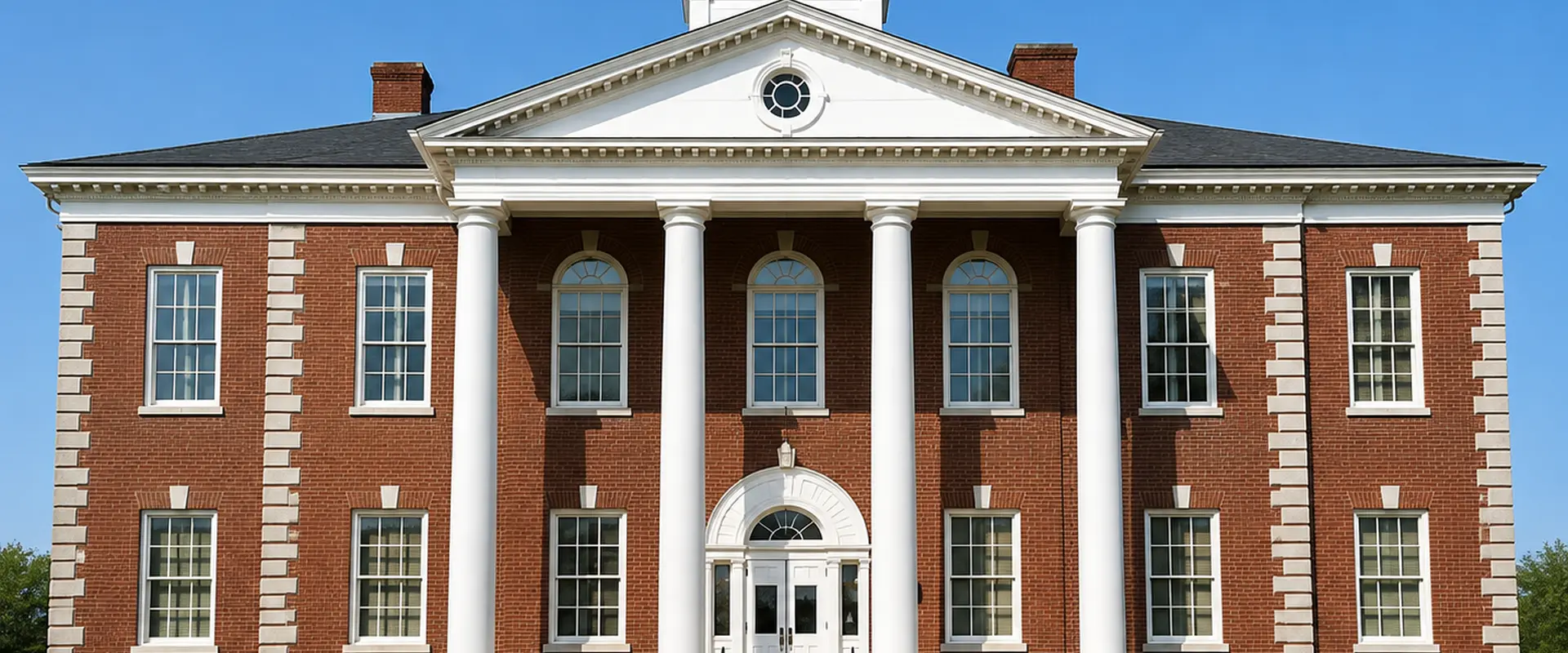
Located in western New York's Finger Lakes region, Livingston County provides a robust court system that hears all matters from criminal, civil, probate, family, and local justice actions. The county's court system is integral to resolving disputes, protecting citizens' rights and property, managing estates, and processing numerous cases that affect individuals and businesses throughout the county.
These courts handle all cases, ranging from prosecution of felonies and divorce proceedings to the issuance of traffic tickets, determination of guardianships, treatment court programs, and small claims cases. Public records and access to electronic filing systems, along with statewide court services, enable individuals to find the resources and files they need to proceed forward.
Overview of the Livingston County Court System
Livingston County Courts are part of the New York State Unified Court System, the body that oversees all courts in the state. Its structure differs from that of some other states, as the New York Supreme Court is the state's main trial court. The county's courts are generally located in the main county courthouse at the Livingston County Government Center.
The courts coordinate work with the Livingston County Clerk's Office, where the staff members file documents, manage court schedules and public records, handle requests for court documents, and provide certified copies of legal paperwork for court cases in the county. Local Justice Courts are important in the county as well, and the Town and Justice Village Courts will typically be the initial point of contact for citizens. Specialized programs like the Livingston County Treatment Court offer a unique solution to residents caught in the cycle of substance-related criminal offenses.
Types of Courts in Livingston County, New York
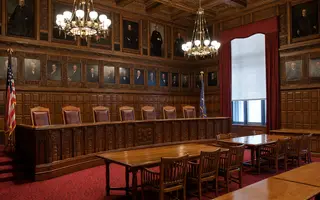
Knowing which court has jurisdiction over a case is very important. Filing in the wrong court could result in significant delays, rejection of paperwork, additional refilling costs, and additional court fees. Each court in Livingston County has specific jurisdiction over a certain subject matter.
 Supreme Court
The Livingston County Supreme Court is the highest trial court in the county. It is part of New York State's 7th Judicial District.
This court's jurisdiction includes:
- Civil claims with higher dollar amounts
- Matrimonial actions, including divorce, annulment, and separation)
- Criminal prosecutions of felonies
- Equity and injunctions
The Supreme Court handles many of the county's most serious matters. In addition to divorce and matrimonial disputes, it is where many business disputes and commercial litigation can be heard, including disputes involving contracts and property ownership, as well as serious personal injury actions. In certain cases, felonies can go through the county's Supreme Court.
Primary Location: Livingston County Courthouse
 County Court
The County Court serves many purposes as one of the highest trial courts in Livingston County.
It handles cases including:
- Felony criminal cases
- Limited civil lawsuits with damages up to $25,000
- Appeals of local justice courts
In most criminal matters, the County Court will hear many of the charges that arise in the county. Local Justice Courts have jurisdiction over felonies at the outset of the process; however, they must refer the case to the County Court at certain stages of the prosecution. This court is very useful when the individual wants to have a local court's decision reviewed.
Primary Location: Livingston County Courthouse
 Family Court
The Livingston County Family Court is dedicated to hearing cases involving issues children face and domestic disputes in Livingston County.
The Family Court handles:
- Child support, custody, and visitation
- Foster care approval and review
- Juvenile delinquency
- Adoption proceedings
- Guardianships
- Child abuse and neglect
- Family offense petitions
The purpose of Family Court judges is to decide where children and their parents or custodians will live and what the visitation schedules and child support arrangements will be. The judges of Family Court are also authorized to order foster care and intervention with children if they are abused or neglected by their caretakers. Criminal behavior related to familial conflicts can also be addressed by the Family Court through family offense petitions.
Primary Location: Livingston County Courthouse
 Surrogate's Court
The Surrogate's Court in Livingston County administers estates and probates wills.
The Surrogate's Court handles:
- Probate of a Will
- Wills and Estates
- Guardianships
- Administration of Estates
- Certain adoptions
The Surrogate's Court has jurisdiction over wills that a person leaves behind upon their death, as well as any matters of the guardianship of children or incapacitated adults. Executors of an estate will file a petition for probate in the Surrogate's Court and will proceed through the will and estate settlement process.
Primary Location: Livingston County Courthouse
 Treatment Court
 in Livingston County offers individuals a way to resolve criminal cases and obtain help with substance abuse issues.
Primary location: Livingston County Government Center
Its responsibilities include:
- Cases where the underlying reason for the criminal behavior is substance abuse
- Monitored treatment and participation in a substance abuse program
- Regular compliance review by the judge
- Court-ordered support proceedings
The Treatment Court is a very useful program because it attempts to treat individuals with substance abuse problems rather than just incarcerating them. Individuals in Treatment Court are held to extremely strict standards regarding their treatment.
 Town & Village Justice Courts
The Town and Village Justice Courts are the primary local neighborhood courts for Livingston County residents. The locations will vary by town and village as they are scattered throughout the county.
These courts handle:
- Traffic tickets
- Small claims
- Landlord and tenant disputes
- Misdemeanors
- Preliminary felonies
These courts handle routine, everyday matters throughout the county that often involve low monetary amounts or minor criminal offenses. They also handle preliminary arraignments and hearings for felony cases before a case is moved to County Court for further action.
How to Access Livingston County Court Records
Many Livingston County court documents are considered public records, but some are subject to sealing by law and are not publicly available because they are sensitive, such as juvenile court, adoption, or private information. Researching current documents online can be a time-saver when one wants to quickly review old documents or verify the status of an existing case and see the basic case docket numbers before going to the courthouse to research an old filing or check case information. An access fee is charged per page for certified copies of documents or for large document requests.
 Online Access
The first step in searching online is the New York State Unified Court System. This is the state-wide source for searching court records online for case information, schedules, and filing information. The state also uses the New York State Courts Electronic Filing System (NYSCEF), which has increased access for attorneys and the general public to view Supreme Court filings and cases. For local records, individuals can use the Livingston County Search Records official website. These sites are easiest to search when there is prior information about the specific case being searched. It's useful to have the case number, filing date, or names of individuals involved.
 Alternative Online Options
Persons who are not familiar with navigating the courts' online resources and feel they are too difficult to use can try commercial online sources like CourtCaseFinder. These platforms bring information from multiple states' courts into one simple online resource for people, employers, and attorneys searching for court information or details on individuals and parties involved in litigation.
 In-Person Requests
Certified copies and older records must be requested from the Livingston County Clerk's Office. Individuals can request these by visiting the clerk's office. The office's staff can help with finding:
- Physical cases files
- Old archived documents
- Certified copies, including marriage certificates
Knowing party names or case numbers will help the clerk staff in retrieving the records. The clerks can also offer guidance on how to access these records to those who find the process challenging.
 Archived Records
Many of the historical Livingston County court records are probably still held in paper files and in archival storage and are accessible at the county clerk's office. Those looking for very old land cases, wills, or previous court proceedings should allow additional time needed to locate this information. People conducting genealogy research and reviewing historical Supreme Court records will be interested in what the New York State Archives and Livingston County's Historian's Office have to offer.
For Attorneys and Legal Professionals
Attorneys practicing in Livingston County understand both the statewide New York proceedings and local county proceedings. On the other hand, visiting attorneys may have different approaches to docket procedures, e-filing, and local court rules. Understanding the New York Unified Court System is beneficial because of the jurisdictional lines between the Supreme Court, County Court, and local justice courts, which can affect the filing approach. As with all courts in New York, the New York State Bar Association has policies to govern attorneys and legal professionals.
Lawyers and legal professionals from out of the county can learn about local county resources, clerk filing rules, and online access, all of which are crucial pieces of information. Criminal, probate, and family attorneys will interact with the probation departments, assigned counsel, and other social services as applicable. Regardless of what type of case they handle, correct filing and timely service, along with procedurally dictated deadlines, are critical.
How to File a Case in Livingston County
To initiate a legal matter in Livingston County, one must follow specific filing procedures and deadlines and observe the rules regarding jurisdiction. Even simple legal matters require attention to numerous forms, fees, service rules, and scheduling practices. By correctly identifying which Livingston County court has jurisdiction at the initial stage, one may avoid delays and rejections when filing legal documentation.
Step 1: Choose the Correct Court
The first step in the legal process is determining the proper court with jurisdiction over the case. For instance, divorce proceedings are most often filed in the Supreme Court, child custody matters are in the Family Court, estates and probate matters are generally filed with the Surrogate's Court, and small local disputes typically fall under town or village justice courts. Criminal matters begin in town and village justice courts before proceeding to the County Court and possibly the Supreme Court, depending on the severity of the charges.
 Step 2: Complete Required Forms
Once the appropriate court is selected, all necessary documents and forms must be completed accurately. Many of these forms may be procured from the New York Courts Forms page. Also, filing forms for cases addressed by the Supreme and County Court are available through the Livingston Supreme and County Forms page; for Surrogate Court cases, get the forms on the Surrogate Court E-filing & Forms page, and for Family Court cases, check the Family Court Forms directory. Different types of cases require different affidavits and supporting documents.
 Step 3: File the Case
After the proper forms have been filled out, the case must be properly filed with the appropriate clerk at the local justice or County Clerk's Office at the County Courthouse. Residents who are self-represented can file online or in person. Some Livingston County matters, including those handled by the Surrogate and Family Courts, may be filed through the New York State Courts Electronic Filing system. There is mandatory e-filing for cases handled by the Supreme Court in Livingston County. Once the matter is filed, the case becomes officially started, and one is assigned a case number for tracking purposes. They should keep copies of everything for their own records.
 Step 4: Pay Filing Fees
The filing of each Livingston County case requires that the applicant pay filing fees, the amount of which depends on the type of case being filed. For instance, the cost of divorce proceedings or a civil litigation lawsuit differs from that of a probate case or an appeal. If a party cannot afford the filing fees, they may petition for poor person status or submit an application to the court to waive the fees. They should provide supporting documents showing their financial challenges. The judge will review such applications and decide whether to waive or reduce the filing fees.
 Step 5: Serve the Other Party
After the matter is filed, notice must be provided to the respondent. The method for serving process will vary depending on the type of matter involved, but it must usually be performed by the Sheriff's Office, a process server, or other authorized persons. There is generally a limited amount of time within which the other party must be served. Once the Respondent has been served, it must be proven that they have been served in an affidavit. This proof must be filed with the court.
 Step 6: Monitor the Case
One must be extremely vigilant when monitoring their case and all subsequent developments. It is vital to obtain the assigned case number for use on all filed papers, inquiries with the court or attorneys, and all tracking of the case. This can be done via the e-Courts portal or by contacting the County Clerk's Office. If a required court appearance or an important deadline is missed, it may be detrimental to the outcome of the legal matter.
Livingston County Courthouse Directory
Main Livingston County Courthouse
This courthouse is home to the Supreme, County, Family, and Surrogate's Courts and deals with the most significant civil, criminal, probate, and appellate cases in the county.
Geneseo
Address: 2 Court Street, Geneseo, NY 14454
Supreme & County Courts: (585) 371-3920
Family Court: (585) 371-3919
Surrogate's Court: (585) 371-3921
Office of the County Clerk
This office, located at the Livingston County Government Center, is responsible for filing, record keeping, and obtaining certified copies. Individuals can also seek the clerk's guidance on filing and access to court records.
Geneseo
Address: 6 Court Street, Geneseo, NY 14454
Phone: (585)-243-7010
Website: Livingston County Clerk
Livingston County Treatment Court
This court supervises eligible participants with substance-related criminal offenses through highly structured treatment, accountability programs, and court monitoring.
Geneseo
Address: 6 Court Street, Geneseo, NY 14454
Phone: (585)-243-7000
Website: Livingston County Treatment Court
Town and Village Justice Courts
Within Livingston County are town and village justice courts that serve local communities throughout the county, handling matters such as traffic offenses, misdemeanors, landlord-tenant cases, arraignments, and small claims.
There are over 20 local courts in Livingston County. Here is a directory of all the Town and Village Justice Courts.
Legal Help and Self-Help Resources
Legal Aid and Self-Help assistance is available to individuals seeking legal services in Livingston County. These resources are not just for low-income individuals; others, including veterans, the elderly, researchers, disabled individuals, and those facing complex matters, can use them.
 Free Legal Assistance
LawHelpNY provides connections with legal aid programs, self-help legal resources, and legal information on housing law, family law, public benefits law, and consumer law. Also, the Legal Assistance of Western New York, Geneva Office, provides free civil legal aid to eligible individuals in various western New York counties, including Livingston County, who are facing problems with housing, domestic violence, or financial challenges.
A clerk of the court is a great resource for procedural issues that can guide individuals to the proper forms, filing procedures, and the process for setting a date.
Local Legal Support
Residents of Livingston County can also benefit from volunteer attorneys, bar association referrals, veterans' legal programs, and self-help legal clinics available in western New York. Organizations like New York Legal Assistance Group and Livingston County Legal Services for the Elderly assist veterans, elderly clients, immigrants, and middle-class individuals with complex civil legal issues. There is also the Civil Rights and Housing Clinic, which provides legal representation to those facing evictions.
FAQs
Are court records in Livingston County public?
Yes, most records kept in Livingston County are public, although certain cases, such as those heard in Family Court and those of juvenile delinquency, adoptions, and sealed criminal proceedings, are restricted. The availability of all cases and specific documents can be confirmed by contacting the County Clerk's office.
What if my case is not in the public online system?
The case might be sealed, may be very recent, or could be older records. If this occurs, one has to visit the Livingston County Clerk's Office to request the records in person. They should provide the names of the parties, the approximate filing date or case number, and then the staff can locate it.
When can I use a third-party record search service?
A person may choose to use third-party platforms when they don't know which court handles the record they are looking for, or if they're conducting research in multiple jurisdictions. Tools like CourtCaseFinder provide a consolidated public records database by gathering information from multiple sources.
Can I obtain copies of probate and estate records for Livingston County?
Yes, individuals can obtain copies of any matter handled in Livingston County Surrogate's Court, including wills, estate administrations, and guardianship documents, unless a court order has restricted such access. Certified copies can be obtained at the clerk's office, and the cost of copies depends on the amount of documentation.
What will happen if I do not show up for a case hearing in Livingston County?
Missing a court date in Livingston County can result in a warrant or suspension of driving privileges for criminal and traffic violations, and in a judgment being awarded to the other party in civil matters. Those who cannot make a court date should call the court as soon as possible to learn their options.
Other Counties in New York
- Albany
- Allegany
- Bronx
- Broome
- Cattaraugus
- Cayuga
- Chautauqua
- Chemung
- Chenango
- Clinton
- Columbia
- Cortland
- Delaware
- Dutchess
- Erie
- Essex
- Franklin
- Fulton
- Genesee
- Greene
- Hamilton
- Herkimer
- Jefferson
- Kings
- Lewis
- Madison
- Monroe
- Montgomery
- Nassau
- New York
- Niagara
- Oneida
- Onondaga
- Ontario
- Orange
- Orleans
- Oswego
- Otsego
- Putnam
- Queens
- Rensselaer
- Richmond
- Rockland
- Saint Lawrence
- Saratoga
- Schenectady
- Schoharie
- Schuyler
- Seneca
- Steuben
- Suffolk
- Sullivan
- Tioga
- Tompkins
- Ulster
- Warren
- Washington
- Wayne
- Westchester
- Wyoming
- Yates
Table of Contents