Table of Contents
Fulton County Courts, NY *
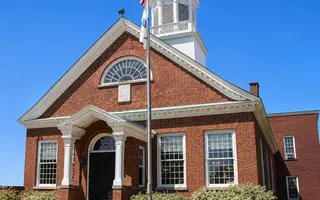
Fulton County, New York, is among the 62 counties in the state, with its county seat in Johnstown. Residents, businesses, researchers, and legal professionals rely on several Fulton County courts for amicable solutions to their daily concerns. Although the same matter can sometimes be handled in different courts, there are clear guidelines for determining court jurisdiction. People with cases in New York can file them, access relevant court records, and appeal case outcomes to seek more favorable terms.
Overview of the Fulton County Court System
Compared with other state court systems, the New York Court System is very detailed due to the state's population. All New York Courts are administered by a unified court system, starting with the Court of Appeals at the highest level, followed by the Appellate Division of New York's Supreme Court, which reviews appeals from the county courts. One of the major differences between New York and most other states is that the New York Supreme Court has a general jurisdiction over cases in the region and is the highest trial court, rather than the highest court of appeals.
At the highest level of the local judiciary is the Fulton Supreme Court, which hears major civil cases. The next high-level court is the County Court, which handles major criminal matters. There are also local specialized courts in the region, such as the Family and Surrogate courts, which handle children, family, and estate matters. Johnstown and Gloversville Cities also have their own courts, and, lastly, there are 10 local Town and Village Courts for communities that need access to the court for minor cases.
Types of Courts in Fulton County, New York
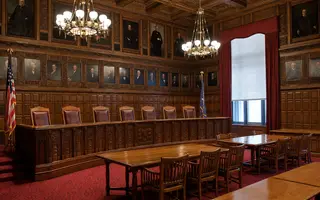
Fulton County is part of the 4th Judicial District, which oversees the trial courts in Clinton, Saratoga, Essex, Hamilton, Montgomery, Warren, St. Lawrence, Franklin, Schenectady, Washington, and Fulton. It is not a court in its own right but instead oversees all the local courts below it.
 Supreme Court
The Supreme Court of Fulton County is the highest trial court in the county, serving the people by handling the following cases:
- Felonies
- Civil cases
- Divorces and annulments
The courts in Fulton County look to the Supreme Court to handle cases that are not within their jurisdiction. It takes over the major felonies and civil lawsuits with high financial consequences. It is also the go-to court for matrimony matters such as separations, annulments, and divorces.
Primary Location: Fulton County Courthouse Complex
 County Court
Fulton County Court is one of the 57 County Courts serving New York counties. It is the other superior court in Fulton, tasked with hearing cases like:
- Criminal matters
- Civil cases
- Appeals from lower courts
There is one County Court in each county that is not in New York City. While the other local courts can handle misdemeanor trials, the County Court is specifically tasked with handling felony cases. As for civil cases, huge lawsuits go to the Supreme Court, while claims of less than $25,000 are tried at the County Court.
Primary Location: Fulton County Courthouse Complex
 Family Court
As one of the specialized courts in Fulton County, the Family Court has original jurisdiction to take on family matters like:
- Foster care
- Adoptions
- Guardianships
- Child custody
- Domestic violence
- Child abuse and neglect
- Juvenile delinquency
Any case involving children and families is taken to the Family Court. This court ensures that children are safe and well cared for. It also grants justice to children who are victims of abuse and neglect, providing them with a safe home.
Primary Location: Fulton County Courthouse Complex
 Surrogate's Court
There are so many issues that arise after parties are deceased, and this is where the Surrogate's Court steps in, handling the following matters:
- Probate
- Wills
- Estates
- Guardianships
- Adoptions in some instances
This court has original jurisdiction over all matters arising after a party has died. It offers resolutions regarding wills and how the estates left behind should be divided. It provides fair grounds for property management, and in some unique cases, the court also issues judgments in adoption cases.
Primary Location: Fulton County Courthouse Complex
 City Courts
There are two City Courts functioning in Fulton County. The Johnstown City Court and the Gloversville City Court handle the following cases within their city limits:
- Civil cases
- Small claims
- Housing
- Traffic violations
- Misdemeanors
These two courts in Fulton operate within their respective cities, resolving minor issues among residents. They also have the authority to handle small claims and civil cases, but only for amounts of less than $5,000 and $15,000, respectively. Residents with landlord-tenant issues also turn to these courts, as well as defendants charged with misdemeanors. Usually, the misdemeanors heard in City Court would be those with fines and small jail sentences.
Primary Locations: Gloversville and Johnstown City Halls
 Town & Village Justice Courts
The Town and Village Courts in Fulton County are all referred to as the Justice Courts. There are 10 such courts in the county, which collectively handle local and minor cases like:
- Civil matters
- Traffic violations
- Small claims
- Evictions
- Misdemeanors
The 10 Town and Village Courts, or Justice Courts, in Fulton are usually the first courts locals encounter. There are over a thousand of them across New York counties, and they all have jurisdiction over most minor cases in their communities. They also handle civil matters, but only within a $3,000 limit.
Primary Locations: Respective Town Halls and Municipal Buildings
How to Access Fulton County Court Records
The Fulton County Clerk maintains the records of the Supreme Court and the County Court. All the other courts also maintain their own records through individual office clerks. There are various ways to access these records, depending on the case and the court in which it was filed.
 Online Access
In New York, there are various online portals that grant inquirers access to court records. It all depends on the type of case and where it was handled. If parties need specific court records, they can turn to specific sources. The New York eCourts Portal provides access to the following sites for court records.
- WebCivil Supreme: For records from the Supreme Courts in New York
- WebCivil Local: Covers various civil case records from local courts
- WebCriminal: For criminal case records in various New York Courts
- WebFamily: For Records from Family Courts
- WebSurrogate: For records from the Surrogate Courts
The above sites allow access to records from individual courts, but Fulton County offers an online search portal for records hosted by the County Clerk. The state also allows inquirers to view publicly filed documents, such as motions and affidavits, from the New York State Unified Court System. Inquirers can search for indexes, parties, attorneys, judges, or court calendars.
 Alternative Online Options
In addition to accessing individual court records from various sites, there are alternative online platforms. CourtCaseFinder makes online searches more convenient because all records from all Fulton County courts are available on a single site. In fact, inquirers can also access court records from other states and counties. The platform combines all the records into a single database, making searches faster and simpler. From wherever the inquirer is, they can access the site and find the records they need from any part of the country without having to log in to multiple platforms.
 In-Person Requests
If parties cannot access the court records they need online, they can obtain them in person from the respective clerks. The County Clerk is the custodian of records from various courts in the county and can assist with access to Supreme and County Court records, while other records can be obtained from the respective court clerks. The Family Court Clerk maintains court records for the Family Court, while the Surrogate's Court Clerk maintains records for the Surrogate's Court. Residents can access court records in person from the City and Town Clerks located in their individual courthouses.
 Archived Records
If the requested records are not available online and parties cannot find them after searching in person at the County Clerk's and local court clerks' offices, they are likely archived. Archived records can be found at the Fulton County Historian, a library with records dating back to the 1800s. Here is where residents can find historical records and conduct genealogical research, which may come in handy for important cases like probate. Residents can contact the office and conduct their research there by appointment; if they need access to specific documents, they can make formal requests.
For Attorneys and Legal Professionals
Online court records come in handy, especially when the research is important for attorneys' cases. The courts in Fulton County are organized so that different cases are handled by specific courts, including specialized courts such as the Family and Surrogate's Courts. The records obtained from these courts give legal professionals a hint of what to expect in their future trials, and their availability online makes searches more convenient.
Attorneys practicing in Fulton County for the first time who don't know what to expect should be aware that there are local rules to follow. At the local level, there are guidelines such as the Practice of Law in New York State, which provides procedures for professionals who have just been admitted to the bar. The unified system of New York courts also includes the Rules of Professional Conduct, which govern professionals' interactions with the appellate division of the Supreme Court. Having such rules in mind makes the process easier for attorneys, allowing them to access records, file their cases, and represent their clients without hitches or violations of New York State law.
How to File a Case in Fulton County
With so many courts operating in Fulton County, it may seem overwhelming for parties filing their cases for the first time. It is a pretty simple process, however, for residents who follow the steps below.
Step 1: Choose the Correct Court
There are different types of courts in the region, starting from the Supreme Court at the highest level to the local Town and Village Courts, each boasting its own jurisdiction. All the courts have a role to play in resolving cases in Fulton County, and each takes on cases as mandated by statute. So before filing, parties should know their case inside and out and recognize which court it belongs to. They want to make sure that they file in the right place, or their case will be derailed. If not sure, they can always confirm with the Court Clerk's office.
 Step 2: Complete Required Forms
Depending on the case they are dealing with, parties can obtain forms from the clerks' offices. These forms are very important because they provide the court with details before the case can proceed, and they must be handled carefully. The case must be properly documented, so parties are asked to fill out all blank fields, leaving none empty and entering only accurate information. Residents must double-check to ensure that missing details, inaccuracies, and inconsistencies do not mean redoing the entire process. People who have questions can ask a Court Clerk for assistance.
 Step 3: File the Case
New York provides a convenient electronic filing system for professionals and self-representing parties. The New York State Courts Electronic Filing (NYSCEF) platform allows people to file from anywhere and with any court across New York, including any county under the unified court system. Users must log in with their unique credentials to use the E-Filing system. Parties filing without legal representation, or parties filing cases without attorneys, may file electronically or in person. If residents have no idea where to start, they can seek more information on how the process works from the Unrepresented Litigants resource website or ask the County or City Court Clerk.
 Step 4: Pay Filing Fees
The New York State Filing Fees apply to all citizens filing cases in any court in the state. Any case being filed has a fee unless otherwise stated, and in most cases, the amount payable usually depends on the type of case and its magnitude. There are cases where the fees are too high for parties to pay. When that happens, individuals can download, complete, and submit the Application to Waive Court Costs, Fees, and Expenses. If they are found eligible, they can proceed to file their cases without charge.
 Step 5: Serve the Other Party
Parties filing cases within the New York Unified Court System are expected to serve their opponents. This means that they are mandated to notify the other side that they have filed a case against them. This process is mandated by law, with parties choosing whether to file through the Sheriff's Office or through a licensed process server. When the process is complete, they must also show proof of service to the court, indicating whom they served and how and when it occurred.
 Step 6: Monitor the Case
After all the other steps are successfully completed, there is one more thing to do: track the progress of the case. Monitoring the case is an important step for the parties because it allows them to see changes that could affect the outcome. Thanks to the E-Track system used across New York's courts, professionals and individuals can check how their cases are progressing. They can watch out for mentions when hearing dates are set and when there are any adjustments. Residents can always ask the Court Clerk for assistance in monitoring their case.
Fulton County Courthouse Directory
The following are the addresses and contact details of the different courts actively operating in Fulton, New York.
Fulton County Courthouse
Location of many major courts, including the Supreme Court, the Fulton County Court, the Fulton Family Court, and the Fulton Surrogate's Court.
Johnstown
Address: 223 West Main Street, Johnstown, NY 12095
Supreme Court of Fulton County: (518) 706-3290
Fulton County Court: (518) 706-3290
Fulton County Family Court: (518) 706-3260
Fulton County Surrogate's Court: (518) 706-3280
Johnstown City Hall
Home for the Johnstown City Court operating in Fulton County, enforcing city codes within Johnstown's city limits.
Johnstown
Address: 33-41 East Main Street, Johnstown, NY 12095
Phone: (518) 762-0007
Website: Johnstown City Court
Gloversville City Hall
Home to the Gloversville City Court in Fulton County.
Gloversville
Address: 3 Frontage Road, Gloversville, NY 12078
Phone: (518) 706-3320
Website: Gloversville City Court
Fulton County Town and Village Courts
Also called Justice Courts, these courts are more accessible to the communities of various towns and handle common, everyday cases.
Legal Help and Self-Help Resources
Not every resident of Fulton County has access to an attorney or the resources they need to start cases or defend themselves. Many are from low-income or disadvantaged backgrounds and are in serious need of free or affordable legal assistance. The following are some non-profit organizations ready to help.
 Free Legal Assistance
Residents of marginalized communities who cannot afford proper representation due to low-income backgrounds can receive help from the New York Legal Assistance Group (NYLAG). It steps in to serve veterans, immigrants, and children living with disabilities, making sure that they get the justice they deserve. For those who need legal assistance with family issues, Family Legal Care is a non-profit that helps locals with their cases in the Family Court. The court becomes more accessible to locals, enabling them to protect their families and children. The non-profit ensures that all children are in safe homes and cared for by living families.
Local Legal Support
For locals interacting with the judicial system for the first time, Law Help NY is a handy site that provides valuable information to help them understand their legal rights and learn more about local and state courts. This sensitization is very important, especially for self-representing parties, because it breaks down the entire court system. As for citizens who don't know where to find legal representation, the New York State Bar Association offers guidance on how to find an attorney in the area and what to do if they cannot afford a lawyer.
FAQs
Are court records public in Fulton County?
Court records are available to the public, meaning interested parties can access them in Fulton County. They are available online through official New York portals, through third-party searches, in person from the clerks' offices, and from the archive library. Parties can find available records from all the different courts in Fulton, from the Supreme Court to the Town and Village Courts.
Which court records are sealed in Fulton County?
While most of the records in the county are accessible to the public, there are instances when records are sealed or expunged. This is quite common in Family Court and other courts when the cases involve families and minors. Juvenile records and child-related cases are usually sealed to protect the identities of the minors involved and for the privacy of the parties.
How do I search for a criminal case in Fulton County?
New York allows access to court records from various courts and provides sites for inquirers to find different types of records. If looking for criminal cases, they can find them on WebCriminal, a site that compiles all criminal records from various State and County Courts.
Which court records are accessible at the County Clerk's office in Fulton County?
The County Clerk is responsible for maintaining the records kept at the Fulton County Supreme and County Courts. All online records come from this office, and inquirers can find them in person during visits. They can also download copies at a small fee and receive certified records.
Are there alternative methods to access court records online in Fulton County?
There are convenient alternative methods to access online court records in Fulton County. Parties can use CourtCaseFinder to obtain court records from each court in the region, and the best part is that the system also provides access to records from other states and their counties.
Other Counties in New York
- Albany
- Allegany
- Bronx
- Broome
- Cattaraugus
- Cayuga
- Chautauqua
- Chemung
- Chenango
- Clinton
- Columbia
- Cortland
- Delaware
- Dutchess
- Erie
- Essex
- Franklin
- Genesee
- Greene
- Hamilton
- Herkimer
- Jefferson
- Kings
- Lewis
- Livingston
- Madison
- Monroe
- Montgomery
- Nassau
- New York
- Niagara
- Oneida
- Onondaga
- Ontario
- Orange
- Orleans
- Oswego
- Otsego
- Putnam
- Queens
- Rensselaer
- Richmond
- Rockland
- Saint Lawrence
- Saratoga
- Schenectady
- Schoharie
- Schuyler
- Seneca
- Steuben
- Suffolk
- Sullivan
- Tioga
- Tompkins
- Ulster
- Warren
- Washington
- Wayne
- Westchester
- Wyoming
- Yates
Table of Contents