Table of Contents
Saint Lawrence County Courts, NY *
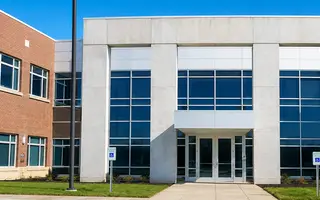
St. Lawrence County is the largest county in New York by land area, spanning 2,822 square miles. The county is located in the northernmost border adjacent to Canada and is well known for its scenic landscapes of agricultural valleys, rivers, and the wilderness of the Adirondack Mountains. St. Lawrence County has an approximate population of 105,500, and its county seat is in Canton. The St. Lawrence County Court System is responsible for serving this huge population, as part of the 4th Judicial District of New York State. Residents and non-residents of St. Lawrence County can file cases, retrieve court records, respond to a lawsuit, and attend hearings at the St. Lawrence County Courts. Additionally, the St. Lawrence County Courts are very helpful to law students conducting legal research, self-representing litigants, and legal professionals pursuing justice. Individuals pursuing legal matters in St. Lawrence County should understand the court structure to navigate the system successfully.
Overview of the St. Lawrence County Court System
The St. Lawrence County courts are categorized into two categories. The primary county courts include the Supreme Court, the County Court, the Family Court, and the Surrogate's Court. And at the base level, there are several Town and Village Justice courts. These courts are responsible for handling legal disputes and administering justice for the people of Lawrence County at the local and county levels.
The St. Lawrence County Court system is part of the 4th Judicial District and operates under the broader New York State Unified Court System. The St. Lawrence County courts are responsible for criminal cases, civil cases, family law matters, traffic violations, misdemeanors, and affairs of the deceased. Administrative duties of the court, such as maintaining court records, finance management, and case filing, all fall within the docket of the St. Lawrence County Clerk. The County Clerk is the custodian of court records.
Types of Courts in St. Lawrence County, New York
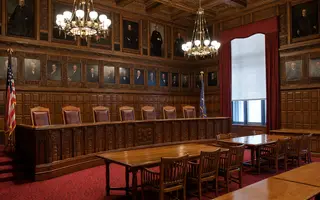
It doesn't matter whether one is an attorney or someone pursuing a legal case without an attorney, such as settling a speeding ticket; one should understand the types of courts in St. Lawrence County and their jurisdiction. This way, they can conduct their legal business successfully. Understanding the courts is also helpful because one will know where to access court records, which court to file a case in, or where to attend a hearing.
 Supreme Court
The St. Lawrence County Supreme Court is the primary trial court in St. Lawrence County. The court's primary role is to handle major civil cases beyond the jurisdiction of the lower courts.
Jurisdiction includes:
- Contested divorces
- Legal separations
- Annulments
- High-value civil claims
- medical malpractice claims
- Breach-of-contract
- Eminent domain battles
Although the St. Lawrence County Supreme Court has the authority to oversee criminal cases, it mainly handles civil cases, while the County Court handles criminal cases.
Primary Location: St. Lawrence County Courthouse
 County Court
The St. Lawrence County Court is the primary court for prosecuting criminal matters in St. Lawrence County. The County Court also serves as a bridge between the local courts and the Appellate New York Supreme Court, and has jurisdiction over the following:
- Major criminal cases (felonies)
- Lower-level misdemeanor appeals
- Grand jury indictments
- Civil cases disputed below $25,000
- Firearm and concealed carry permits
Major felonies such as drug trafficking, homicide, burglary, felony DWI, and grand larceny cases in St. Lawrence County are all heard at the St. Lawrence County Court.
Primary Location: St. Lawrence County Courthouse
 Family Court
The St. Lawrence County Family Court is a specialized high-stakes civil court that primarily focuses on legal custody, protection, and domestic family matters such as:
- Child custody and visitation
- Child support enforcement
- Paternity
- Abuse and neglect
- Domestic violence
- Child protective proceedings
- Adoptions & guardianships
- Juvenile justice
The St. Lawrence County Family Court presides over most family and juvenile matters except for granting divorces. The authority to terminate a marriage rests with the St. Lawrence Supreme Court.
Primary Location: St. Lawrence County Courthouse
 Surrogate's Court
The St. Lawrence County Surrogate's Court is a specialized estate and probate court responsible for legal affairs involving the estate of a person who has died in St. Lawrence County, as well as families seeking guardianship or adoption. The Surrogate's Court has jurisdiction over the following case:
- Probate of wills
- Small estates
- Estate administration
- Trusts and accountings
- Adoptions
- Legal guardianships
The St. Lawrence County Surrogate's Court handles affairs of the deceased, such as wills, by ensuring the testaments are fulfilled as stated. Families who wish to expand their family via adoption or to protect a child or an incapacitated adult through guardianship will also utilize this court.
Primary Location: St. Lawrence County Courthouse
 Town & Village Justice Courts
St. Lawrence County Local City, Town, and Village Courts are the foundation for justice for the locals of St. Lawrence County. There are 35 Town and Village Courts in the county.
Jurisdiction includes:
- Traffic & vehicle violations
- Criminal authority
- Civil claims
- Housing disputes
- Town code violations
The Town and Village Justice Courts handle a huge volume of trials and traffic violations daily from the rural areas of St. Lawrence County.
Primary Location: Various towns and villages throughout St. Lawrence County
How to Access St. Lawrence County Court Records
St. Lawrence County Court Records are public information under the New York State Judiciary Law. Court records are available through multiple online platforms and in person at the respective court clerk's offices, except for sealed and restricted court records.
 Online Access
Court records of St. Lawrence County are available through statewide official online portals and third-party record-finder platforms. The online platform one uses depends on the type of records one is looking for. For example, if one is conducting criminal case research, they can access criminal court records and run criminal history background searches through the official state platform, Criminal History Record Search (CHRS). Alternatively, for court records from the centralized courts of St. Lawrence, one can find Surrogate's, Civil, and Supreme Court records using the e-Courts Hub. Another state-recognized search platform is the New York State Courts Electronic Filing (NYSCEF) system.
 Alternative Online Options
In addition to official online portals, people can use third-party platforms such as CourtCaseFinder to access court records online. With such a platform, one can search for court records even with only a single parameter, such as name. Using CourtCaseFinder, one can access court records such as criminal, civil, and surrogate court records, and one can even run deep background checks. One thing that stands out about this platform is its mobile-optimized user interface, which means people can search for cases from anywhere in the country using their cell phones.
 In-Person Requests
Apart from online access, one can also access court records in person at the respective Clerk's offices with jurisdiction over their cases. Court records from Family Court, Surrogate's Court, Supreme Court, and County Courts, all of which are based at the St. Lawrence County Courthouse, are available through the St. Lawrence County Clerk. Alternatively, if one is searching for records of speeding tickets and civil cases below $3,000, they can find court records at the respective Justice Courts.
 Archived Records
Archived cases are those cases that have been decided or dismissed. Courts are responsible for retaining records for a period of time specified by law. Land, deeds, and civil archived records in St. Lawrence County are available through in-person requests at the St. Lawrence County Records Room. Similarly, historical wills, estates, and probate records from the surrogate court are available online through the St. Lawrence County Surrogate's Court. Or through the FamilySearch Genealogy platform and the WebSurrogate portal. Lastly, for official ancestral history, vital statistics records such as birth, death, and marriage records can be accessed through the Historical Information Department.
For Attorneys and Legal Professionals
Attorneys and legal professionals can access St. Lawrence County court records using online portals or in person at the respective County Clerk's Office. The New York State Courts Electronic Filing (NYSCEF) and the New York e-Courts Platform are examples of portals attorneys can use to access court records with special access using their Attorney Bar Number.
Visiting attorneys and legal professionals should familiarize themselves with filing procedures, courthouse schedules, motion practices, and judicial assignment rules. For example, those coming to file a case should bring case information, such as the case number, filing year, and party names, to help speed up the process. They should learn how to file and where to file since case filing is available online and in person at the Clerk's office. If one is unsure, they can confirm with the Clerk's Office to avoid delays and confusion and have a seamless experience. By learning and understanding how the St. Lawrence County Court System works, they will have a seamless experience as they pursue legal matters in the county.
How to File a Case in St. Lawrence County
Because filing a case in St. Lawrence County involves multiple steps and strict rules, an individual must learn to file properly without a hitch.
Step 1: Choose the Correct Court
It is crucial to identify which court a resident needs to file in to avoid wasting time and money. For this reason, one should identify the court with jurisdiction over their case right from the start. The easiest way to identify the court is by subject matter matching. For example, if an individual wants a divorce, they can file a case with the St. Lawrence Supreme Court. Similarly, for child custody, one files with the Family Court, and for evictions and landlord disputes with the local Town and Village Justice Courts. If an individual files in the wrong court, the judge could dismiss their case, or they would have to start the process over again, having lost their filing fees, as statutory fees are non-refundable.
 Step 2: Complete Required Forms
After identifying the court, the next step is to obtain relevant forms. Forms are available in person at the respective courthouses. One can also download standardized forms online. If one is filing a civil case, they will require a summons and a petition, also called a complaint. Forms are available through the NY CourtHelp DIY Forms Portal and the New York Courts website. After obtaining the forms, individuals should complete them as instructed. People who have trouble filing should ask the Court Clerks for assistance.
 Step 3: File the Case
After an individual completes the forms, those already at the respective courthouse can file them with the Clerk's Office. The St. Lawrence Court System allows for electronic filing or in-person filing for self-representing litigants. However, it's mandatory for attorneys to file through the New York State Courts Electronic Filing (NYSCEF) System. Individuals filing online are required to convert documents into PDF and upload them. Electronic filing is convenient because one can file anywhere, anytime.
 Step 4: Pay Filing Fees
For the clerk's office to consider a case "officially filed, the plaintiff is required to pay the statutory fees. Individuals filing in person can pay over the counter at the clerk's office, while those filing online must submit fees electronically through the Electronic Filing (NYSCEF) portal just before checking out. They will receive a case number (also called an index number) after. Individuals who cannot afford statutory fees must apply for a waiver by completing the Poor Persons Relief form.
 Step 5: Serve the Other Party
After the statutory fee is paid, the courts require the plaintiff (the person suing) to effect service of process on the defendant (the person being sued). During the service of process, the plaintiff is required by law to deliver the paperwork to the opposing party. However, the plaintiff cannot perform the delivery themselves. They are required to use the services of the St. Lawrence Sheriff's Office, a neutral third party (over 18 years old), or hire a private process server to submit on their behalf. The server must complete the NYS Affidavit of Service Form, have it notarized, and file it with the clerk.
 Step 6: Monitor the Case
If a person pursuing a case doesn't monitor it after the service of process, they can miss crucial information such as court dates, judicial orders, or deadlines. Case monitoring is available online through platforms such as the all-in-one eTrack platform, which provides sub-portals for tracking different types of cases. Additionally, on eTrack, one can set automatic email alerts. All these features are available through the NYSCEF platform.
St. Lawrence County Courthouse Directory
Here are the locations, phone numbers, and websites for the courts in St. Lawrence County.
The St. Lawrence County Courthouse
The St. Lawrence County Courthouse complex is the primary location for legal cases and administrative duties of the Supreme Court, the County Court, and the Family Court.
Supreme Court: (315) 379 2219
County Court: (315) 379 2219
Family Court: (315) 379 2410
Surrogate's Court: (315) 379 2217
Town and Village Courthouses
City, Town, and Village Courts in St. Lawrence County operate from courthouses available in their municipalities. One can find information on any Justice Court in the complete official directory available on the New York Courts Website.
Legal Help and Self-Help Resources
Legal help and self-help resources are available to self-representing litigants in St. Lawrence County who cannot afford an attorney. Non-profit organizations, legal aid clinics, and state bars across St. Lawrence County offer Pro Bono services and free self-help advice. Those who need help should seek assistance at an early stage of their case to ensure they receive proper justice.
 Free Legal Assistance
Individuals representing themselves or filing cases on their own can find help within the St. Lawrence County Courthouse in the office of the St. Lawrence County Help Center. Here, one can find help with filing a case, completing forms, and looking up court mandates. Additionally, indigent individuals charged with crimes or felonies that might result in jail time can count on the Public Defender's Office and the Office of Indigent Defense to provide them with a court-appointed public defender. One can also use self-help platforms, such as NYS CourtHelp, for legal information, instructions on court processes, and unrepresented litigant rules. Also, the court clerks are a valuable source of information for anyone unfamiliar with the court system. Clerks can help with filing, procedures, and courtroom information.
Local Legal Support
Individuals who cannot afford the services of a professional attorney in St. Lawrence County can contact the Legal Aid Society of Northeastern New York (LASNNY) for legal assistance with civil matters, including eviction, debt collection, foreclosure, and child custody disputes. This non-profit organization ensures low-income people get free counsel, advice, and full trial representation. One can reach out online or visit in person, as they have a physical office in Canton. Another not-for-profit organization at the disposal of the locals of St. Lawrence County is the St. Lawrence Valley Renewal House. This platform helps victims of sexual assault, domestic violence, and human trafficking find help with obtaining an order of protection, pressing criminal charges, and accompaniment to court hearings and to the police. They also offer support groups and medical advocacy to victims and minors who have witnessed trauma.
FAQs
Are court records public in St. Lawrence County?
Yes, court records in St. Lawrence County are public. Residents and non-residents can view, inspect, and copy court records. The St. Lawrence County Clerk ensures that statewide online platforms are updated with new cases and made availble ot the public. One can also access court records in person at the county court clerk's office. However, court records from the family court are restricted from the public to protect the privacy of minors and children. Only relevant parties and attorneys can access restricted records.
Where can I find eviction records?
Eviction court records for St. Lawrence Justice Courts are available in person at the respective Justice Courthouses, as these courts have jurisdiction over eviction matters. The courts take time to digitize the records. For digitized eviction records, one can search the NYSCEF Portal. Similarly, one can access active and pending eviction records, including calendars and schedules, in the WebCivil Local Database.
How long does it take to get records in St. Lawrence County?
If an individual searches for court records in St. Lawrence County by using online platforms, they will get the records instantly. They can view, inspect, and download the records there and then just with a few clicks. However, if an individual is seeking court records in person at the County Clerk's office, the clerk may provide them on the same day for records that are still in active use by the court. Archived records might take longer to retrieve if they are stored off-site.
When is it helpful to use a third-party records finder?
It is helpful to use a third-party record finder if one wants to perform multiple searches, such as court records for civil, criminal, and traffic violation cases. With CourtCaseFinder, court records from various court types are available in a single search engine, unlike official statewide platforms. Most importantly, the platform allows for centralized searching, flexible querying, time-saving, and provides a broader scope for users to search court records with a mobile-optimized interface.
What kind of records can I find online?
Different types of court records are available online. For example, because St. Lawrence has multiple courts, such as the surrogate court, family court, supreme court, county court, and justice courts, court records for all cases they handle are available online. Except for family records that involve minors and children. Civil lawsuits and contract disputes, active criminal cases, wills and estates, liens, judgments, and property court records are all available online through third-party court finders and office statewide platforms such as New York e-Courts.
Other Counties in New York
- Albany
- Allegany
- Bronx
- Broome
- Cattaraugus
- Cayuga
- Chautauqua
- Chemung
- Chenango
- Clinton
- Columbia
- Cortland
- Delaware
- Dutchess
- Erie
- Essex
- Franklin
- Fulton
- Genesee
- Greene
- Hamilton
- Herkimer
- Jefferson
- Kings
- Lewis
- Livingston
- Madison
- Monroe
- Montgomery
- Nassau
- New York
- Niagara
- Oneida
- Onondaga
- Ontario
- Orange
- Orleans
- Oswego
- Otsego
- Putnam
- Queens
- Rensselaer
- Richmond
- Rockland
- Saratoga
- Schenectady
- Schoharie
- Schuyler
- Seneca
- Steuben
- Suffolk
- Sullivan
- Tioga
- Tompkins
- Ulster
- Warren
- Washington
- Wayne
- Westchester
- Wyoming
- Yates
Table of Contents