Table of Contents
Seneca County Courts, NY *
Seneca County is located in New York's Finger Lakes area. It serves its constituents via the Seneca County Court system, which covers criminal proceedings, civil cases, probate, family law issues, traffic infractions, and local ordinance violations. Access to court records, filing procedures and information, legal documents, and procedural guidance is crucial for people in Seneca County. Whether an individual is seeking to find probate documents, file a custody dispute, contest a traffic ticket, or look for prior court documents, locating the correct court to hear the matter is paramount.
Overview of the Seneca County Court System
In New York State, the courts operate under a unified statewide system, but counties still have local courts and legal structures that serve local communities. Different courts can hear different types of cases, which can make jurisdiction confusing for New York residents. The highest trial court in Seneca County is the Supreme Court, followed by the County Court. There are also the specialized courts, including the Family and Surrogate's Courts and Town and Village Justice Courts.
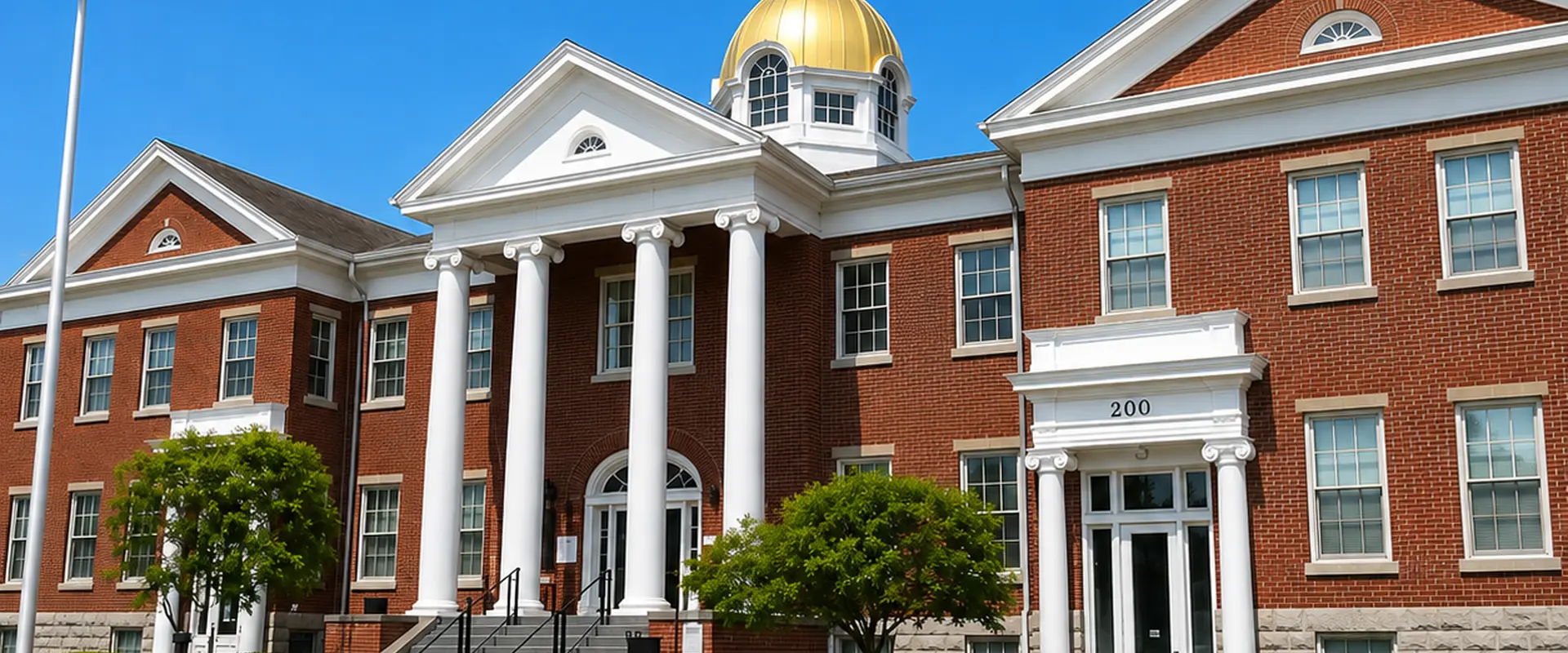
Most county-level operations are conducted at the Seneca County Courthouse in Waterloo, where the Supreme Court, County Court, Family Court, and Surrogate's Court are located. The Seneca County Clerk's office, located in the County Government Building, maintains court records, processes numerous filings, and assists those requesting documents. Towns and villages in the county each have their own local justice courts to hear and dispose of minor issues, often located closer to the litigants.
Types of Courts in Seneca County, New York
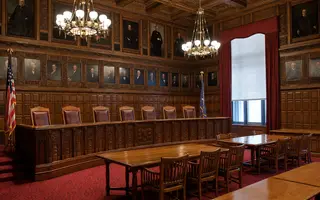
There are various types of courts in Seneca County with defined jurisdictions. These courts handle multiple legal issues, including civil matters, criminal matters, probate, and violations of local codes. Therefore, it is essential for people to select the correct court to ensure their filing is not rejected and to avoid unnecessary fees, delays from transfers between courts, or dismissal of their cases.
 Supreme Court
The Supreme Court of Seneca County is the county's highest trial court for civil cases and divorce proceedings.
Cases handled by the Supreme Court include:
- Marriage annulment, divorce, and separation cases
- Major civil lawsuits involving higher dollar amounts
- Personal injury litigation
- Equity causes of action
- Some felony related actions
The Supreme Court is the most expansive and can hear nearly any civil action not assigned to another court. Also, it is the only court that handles matrimonial issues, including divorce.
Primary location: Seneca County Courthouse
 County Court
The Seneca County Court has jurisdiction over all felonies and some civil matters. It is found within the main county courthouse and has jurisdiction over:
- Felony criminal proceedings
- Misdemeanor cases and minor offenses
- Appeals from town and village courts
- Limited civil jurisdiction with claims up to $25,000
The County Court handles significant criminal proceedings, including felony cases such as burglaries, assaults, and drug sales, as well as grand larceny cases. In addition, appeals from the Town and Village courts will be handled here.
Primary location: Seneca County Courthouse
 Family Court
The Seneca County Family Court, located in the County Courthouse, handles all issues related to children and families.
The Family Court handles matters such as:
- Child custody and visitation
- Adoption
- Child support modification and enforcement
- Guardianship
- Juvenile delinquency cases
- Approval and review of foster care
- Child neglect and abuse
- Domestic Violence
The Family Court is intended to promote family stability and the well-being of children. People most frequently appear in this court when disputing custody, attempting to modify a support order, or dealing with issues relating to familial offenses. While the Family Court cannot grant divorces or other related judgments, it addresses child support and child custody issues arising from divorce and other separation matters.
Primary Location: Seneca County Courthouse
 Surrogate's Court
The Seneca County Surrogate's Court has jurisdiction over all matters relating to probate and the administration of estates. This court is located at the Seneca County Courthouse in Waterloo.
The Surrogate's Court is responsible for overseeing:
- Probate of wills
- Estate administration
- Adoptions
- Trust proceedings
For cases involving deceased residents of Seneca County, the Surrogate's Court has jurisdiction to oversee the legal transfer of their property and estate assets. When there is a valid will to be probated, the executor will file it at the Surrogate's Court. If there is no valid will and the estate needs to be administered, administrators will manage the estate according to state law and the Surrogate's Court Procedures.
Primary Location: Seneca County Courthouse
 Town and Village Justice Courts
There are 11 Town and Village Justice Courts in Seneca County, situated within its communities. These courts operate within the town's limits and handle cases such as:
- Traffic violations
- Small claims with amounts under $3,000
- Evictions
- Local ordinances
- Misdemeanor arraignments
- Minor offenses
Town and Village Justice Courts are the most local courts within the New York State system. Every town or village is different regarding how procedures work or when to visit, so residents should always check ahead to find out the hours or filing procedures before arriving. Appeals are typically made at the County Court level.
Primary Locations: City Halls or Municipal Buildings throughout Seneca County
How to Access Seneca County Court Records
Many of the court records in Seneca County are accessible to the public unless they have been sealed by law or are restricted to protect privacy. Juvenile records, adoptions, family law issues, and sealed criminal matters are some of the sealed and restricted records. This public access can be used by citizens to observe proceedings, conduct legal research, or secure official copies of documents when required.
 Online Access
The primary source for statewide court records is the eCourts online records access platform. Searches on the New York Unified Court System site cannot be performed in a single integrated database; instead, they are broken down by case type. Citizens can access the portal for Supreme Court cases through WebCivil Supreme, for criminal matters through WebCriminal, for Family Court records through WebFamily, and for Surrogate's Court records through WebSurrogate. They can also use the USlandrecords website to access records in the Seneca County Clerk's office.
These searches can be difficult to perform without information such as the parties' names and approximate filing dates, as well as potentially case index numbers or court locations, though even partial data may be sufficient to limit search results.
 Alternative Online Options
The state's systems can be complex to navigate, particularly if a person does not know where their case was originally filed. Various third-party platforms, such as CourtCaseFinder, offer wide-ranging searches of public records across numerous jurisdictions. Such sites can provide access to criminal and civil cases, divorces, and a variety of other public case information throughout New York and elsewhere. They may be helpful, particularly to first-time users of Seneca County courts. Case information obtained from these third-party sites should still be verified with the court clerk's office when possible.
 In-Person Requests
For court records that may not be available online, such as certified copies and old documents, one may need to visit the Seneca County Clerk's Office in person to make a formal request. The court clerks can assist residents with locating:
- Physical case files
- Archive files
- Certified copies
- Probate records
Those who need guidance on locating court records can also visit the clerk's office, where court clerks can guide them through the filing and recording process. Individuals should provide as much information as possible to speed up record retrieval and improve its precision. Helpful information people want to bring to the clerk's office would include the case number, the date of filing, the full names of all parties involved in the action, and the citation numbers.
 Archived Records
Existing court records may not have been digitized and will be found in hard copy. Older court records may be held at the County Clerk's office at the County Government Building. Use the best approach: online research combined with clerk access and archival records, which should yield the most complete results. Citizens, particularly legal researchers, can also check the New York State Archives for older and historical records of the trial and appellate courts, including the Supreme Court. It is crucial to provide accurate information, such as the case number and the name of the party involved, to avoid achieving confusing or wrong search results.
For Attorneys and Legal Professionals
Attorneys practicing in Seneca County also operate under the rules and regulations of the New York State Unified Court System, which governs all proceedings, electronic filing guidelines, and general court administration statewide. Despite statewide rules, local courts will manage scheduling, motion calendars, filing procedures, and courtroom requirements differently.
Attorneys who usually work outside Seneca County are advised to carefully review the local court's rules and procedures. Motion calendars, conference requirements, filing rules, and judicial expectations differ across county lines. When dealing with Family Court, Surrogate's Court, or local justice court, it is always advised to check whether a filing can be submitted via e-file, as some court cases still require in-person appearances. Communicating with each clerk will help avoid lengthy delays, rejections, and missed appearances.
How to File a Case in Seneca County
Filing a case in Seneca County demands understanding of deadlines, jurisdiction, required documents, and the procedural process. A mistake in the filings can significantly extend the case's processing period. The pro se resident needs to become familiar with the system before submitting documents to the court.
Step 1: Choose the Correct Court
The first step is to identify the specific court in which the legal dispute will be heard. Generally, the Supreme Court is where most divorces and large civil disputes are heard; felony criminal matters and various appeals are handled in the County Court; Family Court is where matters of custody, support, paternity, and domestic violence are filed; and the Surrogate's Court handles probate and estate administration. The Town and Village Courts are typically used for small claims cases, moving violations, disputes between landlords and tenants, and minor criminal acts. Filing in the wrong court can result in dismissal and should be researched closely. Those who find it challenging to choose the correct court to file their cases should always call or visit the clerk's office for guidance.
 Step 2: Complete Required Forms
Once residents are sure they have the correct court, they must complete the necessary forms. Filing forms are available online from the New York Courts Forms Library or from their respective court clerk's offices. It's important to make sure information is complete and correct, because an error in the name, date, address, or case information will cause the filing to be rejected, delaying the case. Some cases will require a notarized affidavit, a financial disclosure, or another document in addition to the main forms. Unrepresented litigants must read the instructions carefully to ensure that all necessary signatures and supporting documents are filed.
 Step 3: File the Case
After the paperwork is completed, it must be filed with the appropriate clerk's office. Attorneys must file online, but self-represented citizens may file either in person or online. Generally, filings with the Supreme Court, County Court, Family Court, and Surrogate's Court take place at the Seneca County Courthouse in Waterloo, New York. Case filing online may also be initiated electronically via the NYSCEF system. Justice Court filings will vary by local court; one should contact the specific Town or Village Justice Court for details on when it opens for in-person filings, as schedules vary. The filing clerks verify that documents are complete, collect fees, stamp them with a case number and date, and officially open the case.
 Step 4: Pay Filing Fee
Most court papers require a filing fee. The exact cost varies based on the type of action. Fee schedules can differ for divorce cases, probate proceedings, civil actions, and appeals. One can review the full fee breakdown on the Seneca County Clerk Fee Schedule platform or find out through the New York State Filing Fees index. Persons who cannot afford the fee may apply for a fee waiver due to financial hardship. These petitions are reviewed by the court, and the judge will decide whether to fully waive or reduce the fees. It is important to include proof of financial challenges when applying for the fee waiver.
 Step 5: Serve the Other Party
Once the petition is filed, it must be properly served on the other litigants (the people who are suing or being sued). This service must be completed by a sheriff, an authorized process server, or a court officer as the court directs. This is done through a process known as the "service of process." Rules about who can serve and within what timeframes are unique to each court system, so it's important to read instructions and procedures carefully. Proof of service is typically prepared by the party effecting service and filed with the court to provide evidence that notice was properly given; otherwise, the case generally cannot proceed.
 Step 6: Monitor the Case
After the case processing has started, it's important for the parties involved to closely follow all hearing dates, motions, scheduling orders, and notices. Individuals can often track most cases on the eCourts portal. If their cases are missing online, they can visit or call the County Clerk's office. Not appearing in court or failing to meet a filing deadline could result in default judgments, dismissal of the case, arrest warrants, or other adverse consequences.
Seneca County Courthouse Directory
Seneca County Courthouse
The County Courthouse in Seneca County is the main facility that houses the county Supreme, County, Family, and Surrogate's courts. The courthouse is where many civil, felony, probate, and family law matters are filed.
Waterloo
Address: 48 West Williams Street, Waterloo, NY 13165
Supreme Court & County Court: (315) 835-6229
Family Court: (315) 835-6231
Surrogate's Court: (315) 835-6232
Town and Village Justice Courts
Seneca County has several town and village justice courts. These local courts hear various minor legal matters.
Legal Help and Self-Help Resources
Persons with legal issues in Seneca County have access to a variety of state, county, and non-profit resources that guide them through court procedures, complete forms, find appropriate legal information, and help represent them when necessary. Legal help is not exclusive to those who cannot afford a lawyer; it is also available to the elderly, veterans, scholars, pro se litigants, and those involved in difficult legal issues.
 Free Legal Assistance
Free legal services are available through the New York Courts CourtHelp Center, which provides statewide access to self-help information, forms, procedural guidance, and common legal explanations for people representing themselves in a case. This will include information on how to file different forms, how to meet deadlines, and what to expect in court. The other great resource is Legal Assistance of Western New York (LawNY), which provides free civil legal services to low-income residents who meet eligibility requirements in the Finger Lakes region. They are available for matters such as housing, family law, public benefits, elder law, and domestic violence. Also, the court clerks can help residents locate forms, instructions, and procedures; however, they cannot provide legal advice, strategic recommendations, or opinions on the merits of a case.
Local Legal Support
There are several local legal organizations and volunteer programs in Seneca County where residents can seek legal help. People can also access help via the New York State Bar Association's pro bono service organizations active in Seneca County. Clients experiencing domestic violence could seek assistance from Safe Harbors of the Finger Lakes, which provides legal assistance, including personal advocacy, to help them navigate the legal system, whereas the Seneca County Office for the Aging offers free or low-cost legal help with elder law issues. Sometimes programs for veterans, including the Seneca County Veterans Service Agency, assist veterans with disability claims and discharge upgrades filings.
FAQs
How do I look up criminal court cases in Seneca County?
New York's WebCriminal system allows residents to search much of Seneca County's criminal court records. Searches tend to work effectively if people know a defendant's name, docket number, or approximate date of filing; serious county-level felony matters often require calling the court clerk's office for a certified copy or for more detailed information.
Are court records in Seneca County public?
While most of Seneca County's court records are public, access to those records varies by town and village courts, as well as by courts with larger dockets. Also, certain types of cases are specifically designated as confidential. Examples include child custody matters, adoption filings, most juvenile matters, and any criminal matter that has been sealed by court order.
Where can I find eviction records in Seneca County?
Evictions are generally handled by the town and village courts. Information about individual cases can often be accessed online through New York court websites; other information will require directly calling the appropriate local town or village justice court for filing dates and copies. When searching, knowing the property address, both parties' names, and approximate filing dates will speed up the search.
Can I file a small claims action online in Seneca County?
While some NY courts offer electronic filing for certain matters, most of the small claims actions in Seneca County are filed at the town or village court office. These small claims actions are designed for situations with claims for money damages of less than $5,000. Contacting the local court is advisable as rules and filing times may vary.
When would a third-party records finder be helpful in Seneca County?
When residents are trying to search court records and aren't certain which court handles specific matters, a third-party tool, such as CourtCaseFinder, can help. These sites may be helpful to those who don't know where the court records they need are located, who require records from multiple courts, or who are even first-time users of the legal system.
Other Counties in New York
- Albany
- Allegany
- Bronx
- Broome
- Cattaraugus
- Cayuga
- Chautauqua
- Chemung
- Chenango
- Clinton
- Columbia
- Cortland
- Delaware
- Dutchess
- Erie
- Essex
- Franklin
- Fulton
- Genesee
- Greene
- Hamilton
- Herkimer
- Jefferson
- Kings
- Lewis
- Livingston
- Madison
- Monroe
- Montgomery
- Nassau
- New York
- Niagara
- Oneida
- Onondaga
- Ontario
- Orange
- Orleans
- Oswego
- Otsego
- Putnam
- Queens
- Rensselaer
- Richmond
- Rockland
- Saint Lawrence
- Saratoga
- Schenectady
- Schoharie
- Schuyler
- Steuben
- Suffolk
- Sullivan
- Tioga
- Tompkins
- Ulster
- Warren
- Washington
- Wayne
- Westchester
- Wyoming
- Yates
Table of Contents