Table of Contents
Schoharie County Courts, NY *
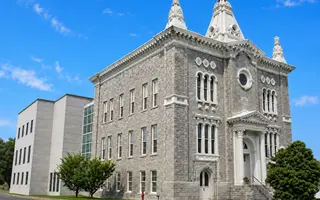
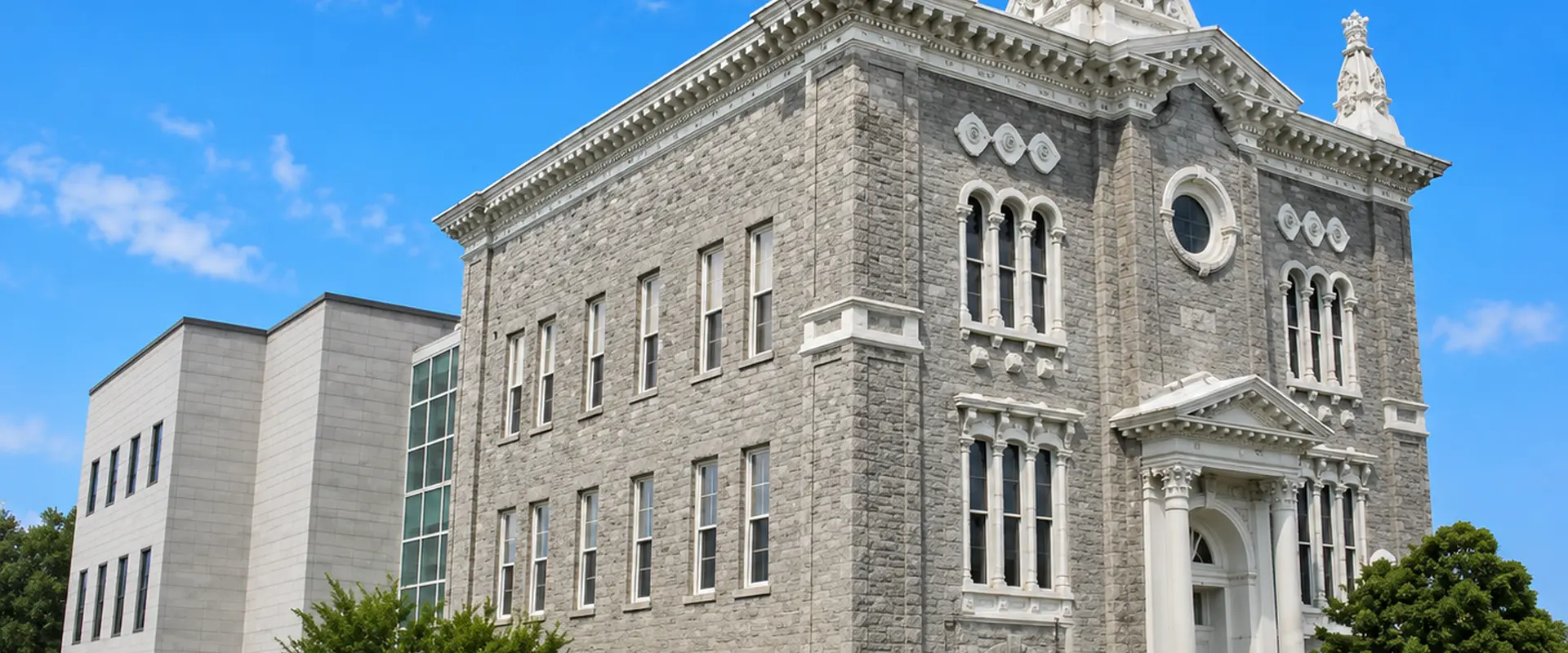
Schoharie County is one of the least populous counties in New York. Located in the Catskill Mountain Region and home to approximately 30,000 residents, its size and rural nature dictate the structure of its court system. The county has trial courts consolidated in one place, while the Town and Village courts resolve local-level issues spread throughout the county.
Even with fewer courts than in other, more urban counties, cases that pass through Schoharie County are handled within the Third Judicial District and are no less diverse. Residents can get legal services for all case types, ranging from serious felonies and major civil claims to minor traffic infractions. They, however, need to understand the court levels and the matters they handle to know where they should start if they need court services.
Overview of the Schoharie County Court System
The court system in Schoharie County operates within the Third Judicial District, which also serves Columbia, Ulster, Rensselaer, Greene, Sullivan, and Albany Counties. The multi-bench arrangement of court levels set Schoharie apart from its counterparts, with judges in the Supreme, County, Family, and Surrogate's Courts rotating through dockets depending on the case load. They are clustered in a single courthouse, unlike the Town and Village Courts, which are spread across rural areas.
At the earliest stages of proceedings, residents in Schoharie County can request restorative options to settle cases, a provision under the Third Judicial District. Alternatives such as mediation and community-based programs are not serious legal issues, but are used for smaller claims and nonviolent crimes.
Types of Courts in Schoharie County, New York
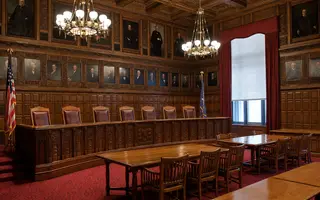
The types of cases handled by Schoharie County courts are decided by the subject and the damages involved. Knowing the differences in court levels reduces mistakes residents make when seeking legal services.
 Supreme Court
Most significant civil and criminal matters in Schoharie County are heard at the Supreme Court. Even with the highest court in the county, it is not the final court in New York. Residents can dispute cases decided in the Court of Appeals in Albany. Still, it has the power to hear:
- Civil actions with amounts demanded above $25,000
- Felonies falling under the Class A category
- Marriage issues, particularly divorce and annulment
- Disputes on equity and declarations
- Challenges over the legality of government decisions
Since the other trial courts cannot dissolve a marriage, only the Supreme Court can handle divorce cases. The multi-bench design means decisions are made by the same judge overseeing matters in the Supreme Court.
Primary location: Schoharie County Courthouse
 County Court
In the second tier, the County Court has jurisdiction that overlaps with that of the Supreme Court, allowing it to hear appeals from lower courts. In addition, it also hears major felonies and mid-level civil claims. Some of the specific cases that the County Court has authority over include:
- Misdemeanors and felony charges
- Civil claims at $25,000 and below
- Disputes on judgments heard by the lower courts
- Preliminary hearings and jury selection
Residents who take their appeals to the County Court may be caught off guard by the de novo approach. It is the situation in which the present jurisdiction does not consider the rulings of the lower courts. Residents might find themselves receiving a completely new outcome, which could be favorable to the defendant or result in additional charges.
Primary location: Schoharie County Courthouse
 Family Court
Schoharie County has a Family Court that focuses solely on matters involving families, as defined by legal elements. It is for this reason that complex divorce matters are left to the Supreme Court. The legal challenges addressed under this court include:
- Parental rights disputes, especially on child custody and visitation
- Enforcement of child support orders
- Abuse and neglect of minors aged under 18
- Special proceedings on adoption
- Misconduct by juveniles
- Approving protection orders for domestic violence
The public may be denied access to Family Court proceedings if they are not parties to the case, to ensure the privacy and safety of litigants. Even with direct interest, court records involving minors are sealed and can be released only upon a written request and the court's approval. Mediation is often sought by defendants who cannot afford the costs of presenting their case in the Family Court. It is time-saving and cost-effective, with fewer legal proceedings.
Primary location: Schoharie County Courthouse
 Surrogate's Court
The Surrogate's Court is another trial-level jurisdiction in Schoharie County that handles cases involving the administration of estates for incapacitated adults. It is a practical provision for probate matters, given the multi-family property ownership. The cases heard in this court are about:
- Probate proceedings on wills
- Disputes arising from estate finances and trusties
- Special hearings on adoption
- Guardianship decisions on impaired or bedridden adults and children
The provision by the Third Judicial District about alternative resolution procedures also applies to the Surrogate's Court. Residents with active cases in the court can request mediation, which helps maintain most family relationships severed by rigorous court proceedings. A lesser-known feature of the court is that it shares jurisdiction with the family court in some adoption cases.
Primary location: Schoharie County Courthouse
 Town & Village Justice Courts
Unlike other counties in the Third Judicial District that have city courts, all local-level issues in Schoharie County are referred to the Town and Village Courts. They are the most accessible justice centers, as they are spread across rural areas. The courts have jurisdiction over misdemeanors and civil matters happening in the specific municipalities. Specifically, these Town and Village Courts, sometimes referred to as Justice Courts, address:
- Civil claims of below $10,000
- Disputes over tenancy and eviction notices
- Infractions of traffic and vehicles within the specified municipal boundaries
- Criminal charges for misdemeanors
- Bails and optional payment options, such as community service
Before presenting a case in the Town and Village Courts, residents should know the court within which the incident occurred, not the court in their area of residence. The strict jurisdictional boundaries ensure issues are adjudicated within the exact locality.
Primary location: Town and Village Courts across Schoharie County
How to Access Schoharie County Court Records
Except for sealed records and redacted information, residents in Schoharie County have general access to cases filed at all court levels. Still, requests for older court records may not be available, either online or offline, due to the heavy flooding sustained by the County Office Building in 2011 during Hurricane Irene. Some physical court documents were permanently destroyed, with the surviving ones being digitized and archived. Beyond this historical event, all other records can be accessed using the methods explained below.
 Online Access
Schoharie County uses the New York State Courts Electronic Filing System (NYSCEF) as the primary digital repository for cases filed in the trial courts. Users can browse court records using a case or attorney's number without creating an account. The guest profile, however, does not allow downloads. The eCourts portal is an alternative record finder for civil, criminal, and family cases. It is for requesters who know the case type and the court that heard it. After searching a case, requesters can save the list to receive eTrack notifications about any changes to active records.
 Alternative Online Options
Residents may find third-party options useful when they do not know the case number and the court that handled the case. CourtCaseFinder is reliable for pulling statewide results on civil, criminal, and probate records, which are then filtered to the county level. It is where users go when they do not want to visit a single record holder portal.
 In-Person Requests
The Schoharie County Clerk's office allows requesters to schedule appointments or walk in and make an in-person request on court records filed in the trial courts. The location is accessible Monday through Friday from 8.30 am to 5.00 pm. The searches might be immediate if a comprehensive description of the case is provided. If the record in question is not in the main repository, then it is advisable to check in with the offices of the Family and Surrogate's Courts.
 Archived Records
With Hurricane Irene in mind, it might be impossible to obtain some older court records from the 1700s. Those that were saved are indexed at the New York State Archives. The repository is easy to use, as records are arranged by year and county. However, to obtain physical copies, users must submit written requests specifying the year range and case type. For older records specific to Schoharie County, residents can use the Records Management Office maintained by the County's Clerk.
For Attorneys and Legal Professionals
Attorneys practicing in Schoharie County have access to all court records in which they are the standing counsel, except for redacted information that requires a written request for court order approval. When they use their credentials to log in to the New York State Courts Electronic Filing system (NYSCEF), they gain access to full dockets, including motions filed by opposing representatives.
The WebCriminal portal is useful for defense attorneys, with its scheduling features that let them set reminders before due dates. Searches using the defendant's name also bring up all the cases that the client might be involved in, therefore preparing them well in case the matters come up.
How to File a Case in Schoharie County
The steps below help residents of Schoharie County avoid common mistakes when seeking judicial services.
Step 1: Choose the Correct Court
It matters where the filer starts. If the wrong court is chosen, they are forced to refile. For starters, the Supreme Court is for serious civil and criminal matters, in addition to its special jurisdiction over divorce. It shares most authority with the County Court, addressing felonies and high-level civil matters. The Family Court is for petitions made by relatives. Estate matters are primarily addressed at the Surrogate's Court. All other rural issues of lesser monetary value are taken to the Town and Village Courts.
 Step 2: Complete Required Forms
All case types have specific forms that residents in Schoharie County can obtain from the New York State Unified Court System. Filers should check with the local court office to verify that the template is applicable to avoid rejected applications. New York State also offers DIY Forms for users to fill out without an attorney's help. Depending on the query, the computer program generates an information sheet or form to guide them through court procedures.
 Step 3: File the Case
Once the forms are completed, they are submitted electronically to the New York State Courts Electronic Filing system (NYSCEF) after account registration. Residents may also prefer in-person delivery at the County Clerk's office for cases in the Supreme, County, Surrogate's, and Family Courts. Taking the forms to the office is the only option for filings affecting the Town and Village Courts.
 Step 4: Pay Filing Fees
The filing fees vary by court level, and the Schoharie County Clerk's office maintains a downloadable PDF of all costs for civil and criminal cases. The alternative is to verify the total fees with the court office. If filers are unable to pay the demanded costs, they should attach a Poor Person Status form, supported by income declarations, to demonstrate their inability to make the payments.
 Step 5: Serve the Other Party
Case filing is incomplete if the other party is unaware of the open litigation. The summons in Schoharie County is served by a third-party approved by the court, by official mail, or by the Sheriff's office. An affidavit of service is then completed and taken to the court office once the recipient gets the paperwork.
 Step 6: Monitor the Case
Keeping up with case updates is the most crucial step, as it helps filers avoid court action for missed deadlines. Residents of Schoharie County can track hearing dates and venues for cases in the trial courts through eCourts or NYSCEF. Manual follow-ups are done for forms filed with the Town and Village Courts.
Schoharie County Courthouse Directory
Even with fewer courts than other counties, residents in Schoharie County might get confused about how to reach court venues. For this reason, the directory below provides users with information on where to obtain judicial services, either in person or by phone.
Schoharie County Courthouse
The facility for all trial-level courts in Schoharie County.
Schoharie
Address: 290 Main St., Schoharie, NY 12157
Supreme and County Courts: (518) 295-8342
Family Court: (518) 295-8342
Surrogate's Court: (518) 295-8383
Town and Village Courts
Often called Justice Courts, with jurisdiction limited to the court's geographical boundaries. The state has made it possible to access all the directory information through a single link, making it easy for the residents to access
Directory Link: Town and Village Courts
Legal Help and Self-Help Resources
The court process can be frustrating even for individuals who can afford an attorney. Luckily, Schoharie County has multiple resources that can guide users through the court system, as a legal representative would.
 Free Legal Assistance
Despite its rural status, the following organizations reach residents who are eligible for services:
- CourtHelp is a statewide self-help program that assists residents with civil and family cases who cannot afford an attorney.
- The Legal Aid Society of Northeastern New York (LASNNY) is useful to low-income individuals who qualify for assistance with their civil cases, such as housing and public benefits.
- LawHelpNY is a connection program that links residents in New York State with service providers in their counties, including Schoharie County.
- The New York State Bar Association educates users on legal processes while helping attorneys struggling with substance abuse.
Local Legal Support
More reachable legal services in the local areas of Schoharie County include:
- The F. Walter Bliss Supreme Court Law Library, housed within the Schoharie County courthouse, assists residents, through the librarian, in locating materials and court forms, and in understanding procedures, without charge.
- The Schoharie County Office of Legal Defense of Indigents is primarily concerned with assigning state attorneys to defendants in Schoharie County facing criminal matters with possible outcomes of incarceration.
- The Rural Law Center of New York serves the rural poor in all counties, including Schoharie County. It helps impoverished communities access support for civil matters, such as disputes related to farm management.
FAQs
How can residents search for a criminal case in Schoharie County?
Residents, with or without active criminal cases, can track cases through the WebCriminal Portal. Searches are initiated using either the defendant's name or case identifier, pulling information on hearing dates, dispositions, and current status. Criminal matters with the Town and Village Courts require an in-person visit to the correct court office.
Are court records public in Schoharie County?
Yes. Schoharie County offers various portals, such as eCourts, that allow users to view civil, criminal, family, and probate matters. However, the requests may not return results for restricted cases, such as those involving family and children. A court order stating the user's role is required to obtain the sealed records.
Can I file a small claims case online in Schoharie County?
No. Small Claims are addressed solely at the lower levels of the Town and Village Courts. These local-level jurisdictions do not have an online system for completing and submitting forms. Instead, residents have to visit the court office of the town or village where the incident occurred to begin the filing process.
How long does it take to get records in Schoharie County?
The turnaround depends on the method used. Results from online searches on platforms such as eCourts are immediate but may incur a copying fee for PDF downloads. If requests are made in person, they can receive records within 1 to 3 working days, depending on the workload volume. More time should be allowed for records that are not publicly available, as court orders and approvals have to be obtained.
When is it helpful to use a third-party records finder?
Third-party sites are most useful when requesters do not want to visit multiple portals to search for records they do not have specific details about. CourtCaseFinder, for example, is practical for statewide court records, with a name-based search that pulls results for all keywords. The results are then narrowed down to the county.
Other Counties in New York
- Albany
- Allegany
- Bronx
- Broome
- Cattaraugus
- Cayuga
- Chautauqua
- Chemung
- Chenango
- Clinton
- Columbia
- Cortland
- Delaware
- Dutchess
- Erie
- Essex
- Franklin
- Fulton
- Genesee
- Greene
- Hamilton
- Herkimer
- Jefferson
- Kings
- Lewis
- Livingston
- Madison
- Monroe
- Montgomery
- Nassau
- New York
- Niagara
- Oneida
- Onondaga
- Ontario
- Orange
- Orleans
- Oswego
- Otsego
- Putnam
- Queens
- Rensselaer
- Richmond
- Rockland
- Saint Lawrence
- Saratoga
- Schenectady
- Schuyler
- Seneca
- Steuben
- Suffolk
- Sullivan
- Tioga
- Tompkins
- Ulster
- Warren
- Washington
- Wayne
- Westchester
- Wyoming
- Yates
Table of Contents