Table of Contents
Essex County Courts, NY *
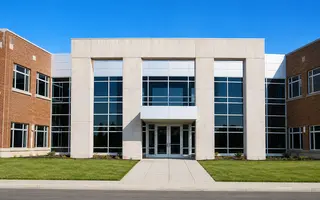
Essex County is located in the North Country region of Northeastern New York State. This historically rich county, situated in the heart of the historic Adirondack Park, has its county seat in Elizabethtown and is home to approximately 36,700 residents. The Essex County court system operates under the 4th Judicial District as part of the New York State Unified Court System. The people of Essex and its surrounding areas depend on its courts to solve minor and major disputes like criminal cases, civil disputes, family law, and probate matters.
The Essex County Clerk is an elected official and is the primary custodian of court records. They are responsible for administrative duties such as filing cases, collecting filing fees, retrieving records, and so on. Individuals can file cases, retrieve court records, respond to a lawsuit, and attend hearings at the Essex County Court, so they should familiarize themselves with the Essex County court system to handle said legal matters effortlessly.
Overview of the Essex County Court System
The Essex County court system conducts its legal matters in accordance with rules set by the New York State Unified Court System and adjudicates under the 4th Judicial District. The Essex County Court System comprises the County-Wide Superior Courts (Centralized) and Town and Village Justice Courts (Decentralized). The centralized courts operate at the Elizabethtown historic courthouse, while the decentralized court divisions serve the people in their respective municipalities.
Town and Village Justice Courts, like the ones in Lake Placid or Ticonderoga, handle neighborhood-level legal cases that recur in the area daily. The County-Wide Superior Courts manage high-level and serious cases, felonies, and are awarded general jurisdiction. The local small courts have limited jurisdiction. The Village and Town Courts can appeal cases to the Essex County Court. Court records in Essex County are public records thanks to the New York Common Law and Statutory Principles.
Types of Courts in Essex County, New York
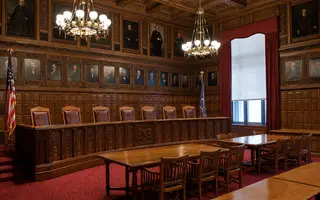
Different courts in Essex County preside over different cases. While jurisdiction might overlap between the two categories of courts mentioned above, the County Tier Courts are responsible for serious cases, and the Town and Village Courts are responsible for the same but on a less serious and less expensive level.
 Supreme Court
The Essex County Supreme Court is the primary court with general jurisdiction over major civil cases in Essex County. This court has jurisdiction over the following civil cases:
- Exclusive divorce jurisdiction
- High-value civil claims
- Equity and injunctions
- Article 78 proceedings
The Essex County Supreme Court handles high-value civil claims where the amount involved is more than $25,000. The court has general jurisdiction and can hear any civil or criminal case within Essex County.
 County Court
The Essex County Court is the sole court responsible for high-value felony and criminal matters. Although it shares jurisdiction with the County Supreme Court regarding civil cases, it only handles civil cases with a dollar amount of up to $25,000. This court has jurisdiction over the following:
- Felony criminal trials
- Grand jury indictments
- Appellate review
- Limited civil action
The Essex County court handles all felony offenses, such as homicide, burglary, felony DWI, and grand larceny. People unsatisfied with the ruling of the judges from the local Town and Village Courts can appeal their cases to the Essex County Courts.
 Family Court
The Essex County Family Court operates with limited jurisdiction and solely focuses on resolving cases involving children and domestic relations within Essex County. This court has jurisdiction over the following:
- Child custody and visitation
- Child support enforcement
- Domestic violence
- Child protective proceedings
- Adoptions and guardianships
- Juvenile justice
- Family offenses
Although the Essex County Family Court is a family court, it has no authority to grant divorces. Granting divorces is a responsibility of the Essex County Supreme Court. The Essex County Public Defender appoints attorneys to represent indigent people with criminal cases.
 Surrogate's Court
For matters involving the deceased, administration of estates, and relative family protections, the Essex County Surrogate's Court takes the lead action. The Surrogate Court has jurisdiction over the following:
- Probate proceedings
- Estate administration
- Small estates
- Contested estates
- Guardianships
The Essex County Surrogate's Court exists to ensure that properties, wills, and sensitive guardianship matters are executed in a legally compliant manner within the county.
 Town & Village Justice Courts
The Essex County Town and Village Justice Courts, also called the ‘People's Court", are the primary local courts in Essex County that have jurisdiction over:
- Traffic violations,
- Vehicle and traffic tickets
- Minor criminal violations,
- Small claims up to $3,000
- Local eviction
- Initial arraignments for criminal offenses
There are several Town and Village Justice Courts in Essex County. These courts have limited jurisdiction and only operate within their local municipalities.
How to Access Essex County Court Records
Although the Essex County Records can be accessed online and in person at the respective clerk's office, how one accesses the records entirely depends on the type of records they are searching for. Most court records in Essex County are available to the public except for restricted, sealed, and confidential cases. Such records are normally unavailable because of privacy laws.
 Online Access
Essex County Court Records are available online on third-party and county platforms. Individuals searching for Supreme Court and civil litigation records can officially access them online using NYSCEF. Those searching for wills, estates, and probate court records statewide use the New York WebSurrogate System. For all court records involving criminal activities, they are available through a Criminal History Record Search.
 Alternative Online Options
Additionally, for court records involving civil, local, and pending criminal trials, one can use the third-party search platforms such as CourtCaseFinder. Such tools are useful for people who want to search for court records anonymously without revealing their identity. Similarly, they allow one to search for records from multiple counties and states without having to jump from one statewide platform to another.
 In-Person Requests
Essex County Court records are also available in person at the Essex County Clerk's Office. In-person requests are recommended for records such as older deeds, pre-1915 probates, and active court files (Supreme, County, and Family Courts). An individual can also search for records in person if the court records they want require an official stamp from the Essex County Court. Certified court records are available at the desks of the court that offered the ruling for the case one searches. Case identification information, such as filing date, case number, and party names, will help the clerk find the records quickly.
 Archived Records
An archived record of Essex County can be accessed in person at the Essex County Clerk's office or through statewide search portals online or third-party finders. In-person requests are useful when the archived records one requires have not been digitized and are only available in person at the Office of the Essex County Clerk. Examples of court records available here include: property deeds, early wills and probate court records, and early marriages. Digitized archive court records are available on the New York State Archives Search Portal.
For Attorneys and Legal Professionals
Attorneys and legal professionals of the bar enjoy special access to the Essex Court System. They can access court records both online and in person at the Essex County Clerk's Office. For online access, they can log in to NYSCEF using their state bar credentials and access legally binding documents, which is not the case for members of the public, who can only browse these documents as guests.
Similarly, attorneys and legal professionals visiting Essex County should understand how the Essex County Court System works. This will help them know the locations of the courts, how to access court records, and how to file a case. The Essex County Clerk is the custodian for court records. Here, they can request active and archived court records, including confidential or restricted records, if they are involved in a case. Those visiting the clerk's office should bring with them case information such as case number, filing date, and the names of parties involved to help the clerk find the records.
How to File a Case in Essex County
Filing a case in Essex County is available both online and in person with the clerk of the court with jurisdiction over the case. Assisting with case filings is one of the County Clerk's responsibilities, and one can visit their office or call for further clarification.
Step 1: Choose the Correct Court
The first step to filing a case in Essex County is to identify the court with jurisdiction over the case. The court where one files their case is solely dependent on the type of case. This is because different courts have different jurisdictions and handle different cases. A real-life example is when an individual wants to file a case that requires exclusive divorce jurisdiction; their only court option is the Essex County Supreme Court, since it has jurisdiction over such cases, and the judge of this court is the only judge with the power to terminate a marriage in Essex County. So, one should get this step right by filing in the correct court. If one is unsure of the court with jurisdiction, they can contact the clerk's office for help.
 Step 2: Complete Required Forms
The next step is to complete the required forms. Once an individual identifies the court with jurisdiction over their case, they can ask the Clerk's Office for relevant forms. Individuals are required to complete all sections of the forms accurately to avoid delays. They should also provide supporting documents. It is recommended to use official New York State Unified Court System forms, not those from random internet sites with weird templates. One should follow the procedural rules for filing in Essex County, like New York Formating. For example, forms that require sensitive matters to be redacted for privacy laws.
 Step 3: File the Case
The next step is to submit the forms. Those filing in person can submit at the County Clerk's office, while those filing online can submit on the New York State Courts Electronic Filing (NYSCEF). Filing online using this platform is mandatory for Attorneys in Essex County. Self-representing litigants can also use the platform, should they choose to; in fact, the court system encourages them to use the platform because it ensures efficiency. Individuals filing online can upload relevant documents such as summons, complaints, and petitions.
 Step 4: Pay Filing Fees
After submitting the documents, one is required to pay filing fees, which is the only way to get a tracking number and get the case started. If one is filing in person, they can pay over the counter at the clerk's office. Alternatively, those filing online are required to pay during submission before checking out. Filing fees vary depending on the case, and individuals who cannot afford filing fees must apply for a fee waiver because statutory fees are mandatory. They can apply by completing the Poor Person's Relief form.
 Step 5: Serve the Other Party
At this stage, the plaintiff, the person filing the case, is required by law to notify the defendant, the person being served. This is called the Service of Process. The law requires the defendant to submit the paperwork through a neutral party and not themselves, and it must be done in person. They can use the Essex County Sheriff's Office or hire a private server. After filing, a return of service should be filed at the respective clerk's office.
 Step 6: Monitor the Case
If every procedure is followed correctly up to this point, the only thing left is to monitor the case. Monitoring through the eCourts system is crucial for knowing crucial updates such as hearing dates and summons. Otherwise, how is one to know whether the plaintiff has responded to their case? One can also follow their case by calling or visiting the court clerk.
Essex County Courthouse Directory
Hearings in Essex County happen in multiple locations because the courts are spread throughout several locations. However, the multi-bench courts of Essex operate from the same location.
Essex County Courthouse
The Essex County Courthouse complex is home to Superior and County-wide courts, including the Supreme Court, Family Court, Surrogate's Court, and County Court.
Elizabethtown
Address: 7559 Court Street, Elizabethtown, NY 12932
Phone: (518) 873-3370
Websites:
Surrogate's Court
Essex County Town and Village Justice Courts
The Town and Village Justice Courthouses of Essex County operate from the respective courthouses in their municipalities. One can find contact information for every Town and Village Justice Courthouse in the county.
Legal Help and Self-Help Resources
Legal help and self-help resources are available for self-representing litigants who cannot afford an attorney in Essex County. Non-profit organizations and legal aid clinics across Essex County offer pro bono services and free self-help advice. Those who need help should seek assistance at an early stage of their case to get the best justice.
 Free Legal Assistance
The people of Essex County have a constitutional right of access to an attorney if they cannot afford one. When an individual faces a criminal case in Essex County but cannot afford an attorney, it is the responsibility of the Public Defender to provide a court-appointed attorney. Additionally, self-representing individuals can use the LawHelpNY Guided Portal to access free self-help resources and for attorney referrals. The portal also offers official New York State Court program tools that generate ready-to-print court forms for custody and child support.
Local Legal Support
The primary provider for free Civil legal aid in Essex County is the Legal Aid Society of Northeastern New York (LASNNY). This non-profit organization helps low-income individuals with civil cases, landlord disputes, foreclosures, name changes, and drafting wills. For additional help, low-income individuals and families can find legal support for civil matters through the Rural Law Center. Their services include housing law help, such as eviction defense, tenant-landlord disputes, and foreclosure prevention. Those with family law cases such as child custody, visitation rights, domestic violence protective measures, and adoptions can also find help through the center. They also help seniors and the elderly with probate help, such as drafting wills and testaments.
FAQs
How do I search for a criminal case in Essex County?
One can search for Active and Pending Criminal Cases (Free) using the statewide New York WebCrims Portal by case, docket number, and legal name. Alternatively, Past Criminal Convictions (Official Background Checks) are available through the New York State Criminal History Record Search (CHRS) portal. If a criminal case is unavailable online, one can search in person through the office of the clerk.
Are court records public in Essex County?
Yes. Court records are public in Essex County. Members of the public and legal professionals can view, copy, and download court records. They can access case details, motions, filings, and judgments online or in person at the clerk's office through the NYSCEF E-Filing System. Individuals who want to access confidential sealed court documents must obtain a court order.
Are online court record searches always accurate?
No. Court records are not always 100% accurate. Some online searches can provide incomplete or outdated court records. Especially for new cases, it might take some time before the court scans court records and digitizes them. Human error and clerical mistakes, like misspellings and common names, can also lead to inaccurate results, so one should be careful during online searches.
When is it helpful to use a third-party records finder?
One can use third-party records finders, such as CourtCaseFinder, if they want to search for court records across multiple counties or states. On this platform, users can search court records from multiple jurisdictions within one search. The platform aggregates data from several jurisdictions, which is not the case with official platforms that only pull records from the parent county. These platforms are also helpful when one wants to run a thorough background check, search historical or fragmented data, and monitor cases continuously.
What do I do if I can't find my case online?
Human error and clerical mistakes, like misspellings and common names, could be the reason someone searching a case online doesn't find it. If a person cannot find their case online, they should confirm their search details, ensure they enter the correct name and case number, and use the correct formatting. It could also be because the case has not been digitized, hence not reflected online.
Can I save or download records for future reference?
Yes. Court records are available to the public to view, inspect, save, or download for future reference. Essex County allows users to access court records from Civil Lawsuits & High-Level Cases (Supreme & Surrogate) on the NYSCEF system.
Other Counties in New York
- Albany
- Allegany
- Bronx
- Broome
- Cattaraugus
- Cayuga
- Chautauqua
- Chemung
- Chenango
- Clinton
- Columbia
- Cortland
- Delaware
- Dutchess
- Erie
- Franklin
- Fulton
- Genesee
- Greene
- Hamilton
- Herkimer
- Jefferson
- Kings
- Lewis
- Livingston
- Madison
- Monroe
- Montgomery
- Nassau
- New York
- Niagara
- Oneida
- Onondaga
- Ontario
- Orange
- Orleans
- Oswego
- Otsego
- Putnam
- Queens
- Rensselaer
- Richmond
- Rockland
- Saint Lawrence
- Saratoga
- Schenectady
- Schoharie
- Schuyler
- Seneca
- Steuben
- Suffolk
- Sullivan
- Tioga
- Tompkins
- Ulster
- Warren
- Washington
- Wayne
- Westchester
- Wyoming
- Yates
Table of Contents