Table of Contents
Saratoga County Courts, NY *
Home of the famous Saratoga Race Course, the oldest and most celebrated thoroughbred horse racing venue, Saratoga County is among the fastest-growing counties in New York. The County was founded in 1791, has a population of 241,343 as of 2025, and has had Ballston Spa as its county seat.
Saratoga County has a defined court system under the New York Unified Judicial System that has enabled the county to preside over different legal matters within its borders, cases ranging from felony criminal cases, civil law suits, probate cases, family law, and minor criminal cases, all the way down to the small claims and traffic violations.
Overview of the Saratong County Court System
Operating within the 4th Judicial District, the Saratoga County Court system is made up of the Local Courts, which comprise 4 Village Courts, 19 Town Courts, and 2 City Courts, and the County trial courts, which consist of the County Court, Family Court, Surrogate's Court, and the Supreme Court. One of the unique aspects of the county's court system is that the same judge sits on both the County Supreme Court and the County Court bench, a practice commonly referred to as acting assignments.
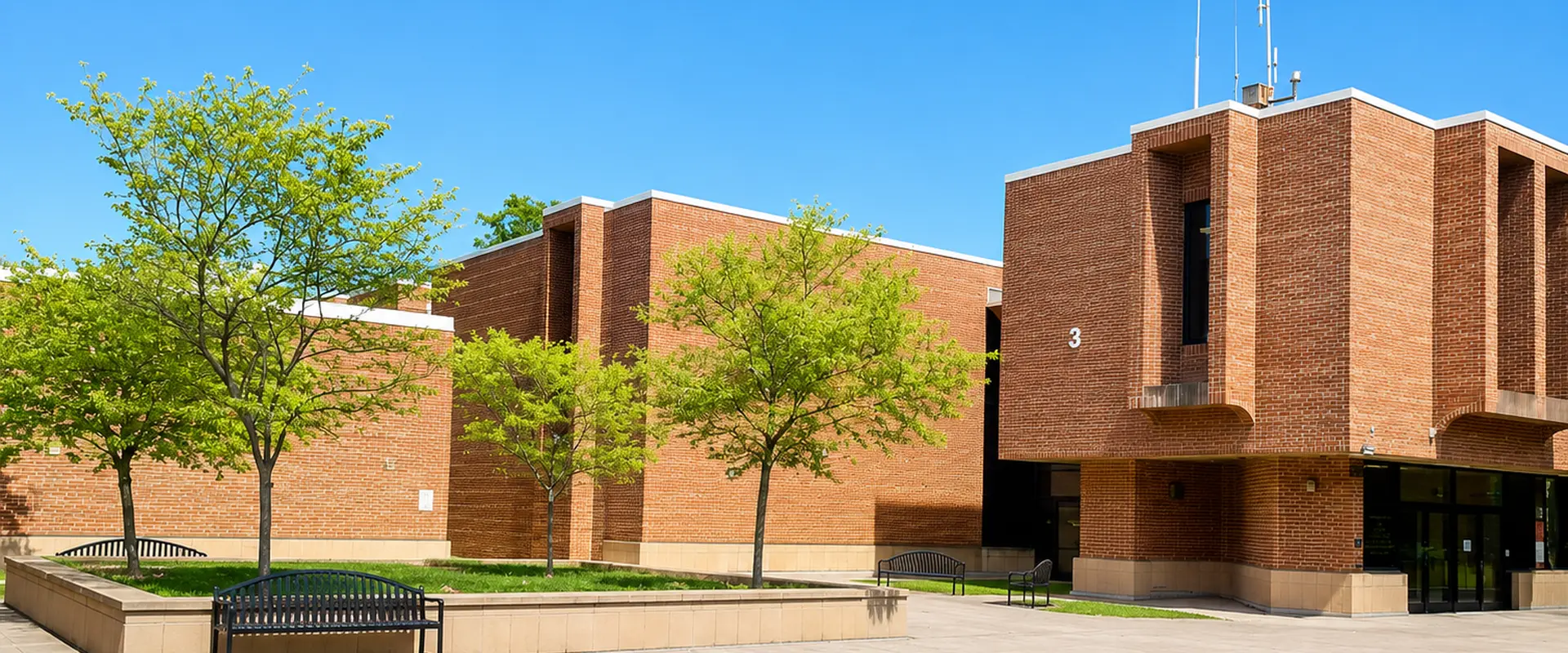
The County Courts are housed within the Saratoga County Municipal Center in Building 3, where the Supreme Court, County Court, and Surrogate's Court are located. The Family Court is located in a different building, but it is still within the Saratoga County Municipal Center campus. The other courts are located within their respective towns, villages, and cities.
Types of Courts in Saratoga County, New York
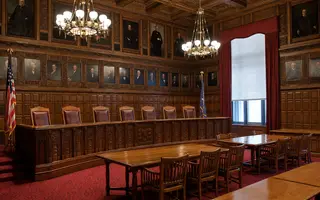
Understanding the Saratoga County Court system requires an in-depth knowledge of what each court presides over and how each operates. This is sensitive information that plays a huge role in case filing within the county and is critical to any successfully filed case.
 Supreme Court
The Saratoga County Supreme Court represents the county's trial-level court of broad jurisdiction. It is located within the Saratoga County Municipal Center, Building 3, and presides over the following cases:
- High-value civil disputes
- Personal injury and negligence lawsuits
- Divorce cases
- Contract dispute and commercial litigation filed in the county
- Name change petition
- Real property dispute cases
- Injunctions and declaration judgments
- Appeals from lower court decisions
The court is presided over by a Supreme Court Justice who is assigned to the 4th Judicial District. To carry out court oversight, the Chief Clerk's office assumes the administrative responsibilities of the court, including calendaring, scheduling, and other administrative functions.
 County Court
This is the County's trial court, which presides over all felony prosecutions within the County and operates from the Saratoga Municipal Center, Building 3. The court has jurisdiction over the following types of legal matters:
- Felony criminal cases
- Misdemeanor cases transferred from Local Courts
- Civil cases with claims up to $25,000
- Appeals from the Local Courts
The Saratoga County Court is presided over by the elected County Court Judge, and, with additional caseload, an Acting Judge from the Supreme Court is assigned to County Court proceedings. To help with day-to-day administrative roles within the court, the County Court shares the Chief Clerk's office with the Saratoga County Supreme Court.
 Surrogate's Court
Saratoga County Surrogate's Court is a specialized Court within the Saratoga County Court system that exclusively handles all matters relating to deceased Saratoga County residents. The Court is located within the same building as the County Court and the Supreme Court of Saratoga County Municipal Center, Building 3, and presides over the following cases:
- Probate of the will for the deceased
- Appointment of executor and administrator
- Will contest and disputed estate proceedings
- Trust accounting and trustee oversight
- Kinship hearings to determine rightful heirs
- Administration of interstate estates
The court's administrative responsibilities are assigned to the Chief Clerk and Deputy Chief Clerk of the Surrogate's Court. They handle roles such as issuing letters of testamentary and letters of administration, scheduling citations and hearings, and other administrative tasks.
 Family Court
The County's Family Court is another specialized court within the county that exclusively presides over family law legal matters. The court is located within the same Saratoga County Municipal Center, but in a different building away from the other courts, and presides over the following legal cases:
- Child custody cases
- Child visitation hearings
- Paternity establishment
- Forster care
- Child abuse and neglect proceedings
- Adoption
- Juvenile delinquency
It's important to note that the Family Court does not preside over divorce cases. The court is presided over by an elected Family Court Judge, who, to perform their duties, is supported by Court Attorney referees.
 City Courts
Saratoga County has 2 city courts, the Saratoga Springs City Court, located inside Saratoga Springs City Hall, and the Mechanicville City Court, located inside Mechanicville City Hall, that provide legal jurisdiction over the county's two incorporated cities. Below are the cases presided over by the courts:
- Small claims up to $5000
- Civil Suits for up to $15,000
- Parking tickets disputes
- Misdemeanors and violations that happen within the local boundaries
Saratong City Courts are presided over by elected City Court Judges for a 10-year term. The court has an administrative Chief Clerk who operates from the City Hall of both courts and is responsible for accepting filings and processing tickets, among all the other court administrative roles.
 Town & Village Justice Courts
In Saratoga County, there are 23 local courts: 4 Village Justice Courts (Ballston Spa, Round Lake, Schuylerville, and South Glens Falls), and 19 Town Courts. These handle legal cases within their respective municipal boundaries. Below are the cases presided over by the courts:
- Parking tickets disputes
- Local codes ordinance violations and zoning,
- small claims up to $3000
- Civil Suits for up to $3000
- Landlord and tenant dispute within the municipality
- Orders of protection in connection with criminal cases
Saratoga Town and Village Courts are presided over by an elected Town and Village Justice in each defined municipality within the county. The courts operate a part-time Court Clerk who runs the court's administrative roles.
How to Access Saratoga County Court Records
Saratoga County residents can access a wide range of court records through New York's Freedom of Information Law, but not all County Court records. This is because some records are sealed and restricted and not accessible to the public. These records include the family court files, sex offense victims, juvenile delinquency records, adoption records, divorce files, and guardianship cases.
 Online Access
With an understanding of the different court records available in Saratoga County, residents can easily access public records online through the Saratoga County Clerk's SearchIQS Portal. This subscription-based platform allows them to search by document type, legal description, recording dates, document number, and index number. There are other free state-based online platforms that residents can also use, such as the New York State Unified Court System's Platform.
 Alternative Online Options
Saratoga County residents can also access court records through alternative platforms, such as CourtCaseFinder, which help bypass the County and State portals that are normally limited to specific counties. Alternative options help residents access court records across counties with a single search, making them complementary tools that provide access to a broad database of court records with no boundary restrictions.
 In-Person Requests
For residents needing access to physical case files, certified copies of judgments and decrees, or archived court records, an in-person request makes it easier to obtain these records. This is done by visiting the Saratoga County Clerk's office, which is the official repository for Supreme Court and County Court records. To get assistance easily, residents need to provide case identification (name, case number, etc.) that points the clerk's official to the correct case files in the record vault.
 Archived Records
Saratoga County residents also have access to archived records, including the county's historical and old County Court records, which are mostly hard copies. These records are stored within the Saratoga County Clerk's office and the Saratoga County Historian's Office. The County records go back to 1791, the year the county was founded. To access the county's archived records at the Saratoga County Historian's office, one must book an appointment through the County Historian's contact page.
For Attorneys and Legal Professionals
For an out-of-county attorney to appear in Saratoga County, they must obtain admission pro hac vice, which grants limited admission to appear in a specific Saratoga County case, as stipulated in the New York Court rules. Once in Saragota County, out-of-county attorneys need to know that electronic filing within the county is mandatory for attorneys, specifically for Supreme Court, County Court, and Surrogate's Court cases, which require the attorney to register an account before filing with the NYSCEF platform.
To access Court records in Saratoga County, attorneys must use NYSCEF for electronically filed cases. They can also use the eCourt portal for Supreme Court case records and the County Clerks SearchIQS system for the county's older archived records.
How to File a Case in Saratoga County
Filing a case within Saratoga County is a simple process for a filer with a good understanding of the Saratoga County Court system. In contrast, the same process can be very challenging for a filer with little to no understanding of the court system. Filing a case in the wrong court, for example, can result in dismissal or rejection. Paying the wrong filing fees is another common mistake that can be easily avoided.
Step 1: Choose the Correct Court
This filing process starts with selecting the correct court with jurisdiction over the filer's case. Cases within Saratoga County are presided over by different Courts: the Saratoga Supreme Court, the County Court, the Surrogate's Court, the Family Court, and the Local Courts. By understanding the different cases each of these courts presides over, the filer can easily select a court with jurisdiction over their case.
 Step 2: Complete Required Forms
With the correct court selected, filers need to obtain the correct case forms. Within Saratoga County, the forms can be accessed electronically from the New York State Unified Court System's statewide Forms page. And if one has issues filling the form, Saratoga County residents have access to DIY forms from the free interactive online program CourtHelp, a tool that can help filers complete their case forms.
 Step 3: File the Case
Once the case forms are completed correctly, the filer must file the case, which can be done in person or electronically within Saratoga County. In person, the filer needs to visit the County Clerk's office at the Saratoga County Clerk's office within the county municipal center, or at the respective court clerks' offices. Residents can also file their cases electronically through the NYSCEF efiling portal, which is mandatory for attorneys filing cases within the Saratoga County Court system.
 Step 4: Pay Filing Fees
Filing a case in Saratoga County requires a filing fee that varies depending on the type of case and the court with jurisdiction. The scheduled filing fees are maintained on the county's main website under the fee schedule page. Saratoga County also recognizes the filers who are unable to pay the case filing fee; they can submit an application for a waiver of the filing fee and service fee. And once granted, the court then waives the filer's filing fee.
 Step 5: Serve the Other Party
Once the filer has filed the case, the defendant has to be notified of the case filed against them, which is done through a process called Service of Process. The process can be carried out by any person who is not part of the case and is over 18 years old, and in most cases, the Saratoga County Sheriff's Civil Division or a licensed process server will serve the defendant. Once the defendant is served, it is important to file proof of service with the court. Without it, the court cannot proceed.
 Step 6: Monitor the Case
The final step in the process is the monitoring stage of the case, where the filer needs to keep track of the case status, which can be done through the New York State Unified Court System's Portal or the NYSCEF case search portal for the electronically filed cases. The easiest way to find the case in the system is by using the provided index number for the Supreme Court, the County Court, or the Surrogate's Court case records, or a docket number for the Criminal and the lower Court Cases.
Saratoga County Courthouse Directory
Saratoga County Municipal Center
Houses the Supreme, County, and the Surrogate's Courts, and multiple cases are presided over in the building, such as felony trials, probate cases, adoption legal matters, and civil cases up to $25,000 within the County Court.
Ballston Spa
Address: 30 McMaster Street, Building 3, Ballston Spa, NY 12020
Supreme & County Court Clerk's Office: (518) 451-8840
Surrogate's Court Clerk's Office: (518) 451-8830
Commissioner of Jurors Office: (518) 451-8850
Saratoga County Family Court
Housed separately from the main court within the same Municipal Center Campus, the court presides over child support, child custody and visitation, foster care, and other family law matters.
Ballston Spa
Address: 35 West High Street, Ballston Spa, NY 12020
Phone: (518) 451-8888
Saratoga County Town and Village Courts
Comprising 23 Town and Village Courts, the courts preside over parking and ordinance violations, misdemeanor domestic violence cases, and traffic infractions.
Saratong County City Courts
Represent the courts presiding over the incorporated cities within Saratong County. They are responsible for presiding over small claims of up to $5,000, traffic violations, civil claims of up to $15,000, parking ticket disputes, among other minor legal matters within the city's border limits.
Saratago Springs
474 Broadway, Suite 3, Saratoga Springs, NY 12866
(518) 451-8780
Mechanicville
36 North Main Street, Mechanicville, NY 12118
(518) 453-5959
Legal Help and Self-Help Resources
Saratoga County residents have access to legal aid and self-help resources provided by state-funded bodies, non-profit organizations, and the Saratoga County Bar Association, all of which aim to provide informed assistance with various legal matters.
 Free Legal Assistance
One of the main legal aid organizations within the county is the Legal Aid Society of Northeastern New York (LASNNY). The organization offers county residents free civil legal services in matters such as housing, family law, eviction defense, public benefits, consumer issues, and non-criminal areas. Saratoga County residents also have access to domestic violence-specific legal support, such as Saratoga County's Domestic Violence and Rape Crisis Center through the WellSpring organization. The organization provides residents with a 24-hour hotline.
Local Legal Support
In addition to legal aid, Saratoga County residents have access to local legal support from law schools, such as the Albany Law School Clinic, which offers legal assistance in Family Violence litigation clinics and covers domestic violence cases and family law matters. Additionally, the Saratoga County Bar Association operates a lawyer referral service that helps county residents connect with affordable lawyers and coordinate pro bono representation for eligible residents.
FAQs
In Saratoga County, what help can one get from the Clerk's office as a self-represented Saratoga litigant?
You can get procedural help from the clerks by bringing all available documents and then asking the clerk for the court's procedural questions, such as where to file or the forms that are needed for the case. But remember, for any legal strategy, the clerk cannot help you; you need to go to a lawyer.
What happens if the defendant in the Saratoga Court case cannot be located?
When serving process, the defendant has the option of asking the Saratoga Court to allow them to use alternative means, such as mail, publication, or the nail and mail. For the filer to use any of these, they need to get a court order.
Where do I file a small claim in Saratoga County?
For claims that are under $5,000, you can visit the city courts, either the Saratoga Springs City Court or the Mechanicville City Court, which also depends on where the case took place, because both of these courts operate within their own city limits. And if the small-claims limit is below $3,000, one can file the case with the Town or Village Court of the municipality where the defendant resides or where the business operates.
What are the court records a Saratoga County resident can access via an in-person request?
There are a number of court records available for in-person access in Saratoga County, including case files dating back to 1791, when the county was founded. One can also access archived civil records, criminal court records, and certified copies of the judgment and documents.
How do I search for Saratoga County court records if I am not sure which court had jurisdiction over the case?
Using the state-provided portal to search a case record can be challenging if you're unsure of the jurisdiction, as the state and county-provided online court records portals are structured and require you to have some knowledge about the case. Using an alternative online search option, such as CourtCaseFinder, makes it easier since the platform's aggregated system traces the case records with the available case information.
How is the Chief Clerk different from the Saratoga County Clerk?
The Chief Clerk handles courtroom and judicial administration inside the courthouse; the elected Saratoga County Clerk (at 40 McMaster Street) is the official records repository issuing index numbers, maintaining case files, and serving as the legal custodian of Supreme and County Court records.
Other Counties in New York
- Albany
- Allegany
- Bronx
- Broome
- Cattaraugus
- Cayuga
- Chautauqua
- Chemung
- Chenango
- Clinton
- Columbia
- Cortland
- Delaware
- Dutchess
- Erie
- Essex
- Franklin
- Fulton
- Genesee
- Greene
- Hamilton
- Herkimer
- Jefferson
- Kings
- Lewis
- Livingston
- Madison
- Monroe
- Montgomery
- Nassau
- New York
- Niagara
- Oneida
- Onondaga
- Ontario
- Orange
- Orleans
- Oswego
- Otsego
- Putnam
- Queens
- Rensselaer
- Richmond
- Rockland
- Saint Lawrence
- Schenectady
- Schoharie
- Schuyler
- Seneca
- Steuben
- Suffolk
- Sullivan
- Tioga
- Tompkins
- Ulster
- Warren
- Washington
- Wayne
- Westchester
- Wyoming
- Yates
Table of Contents